


 Campsite just a stone’s throw
from Bayonne
 Campsite just a stone’s throw
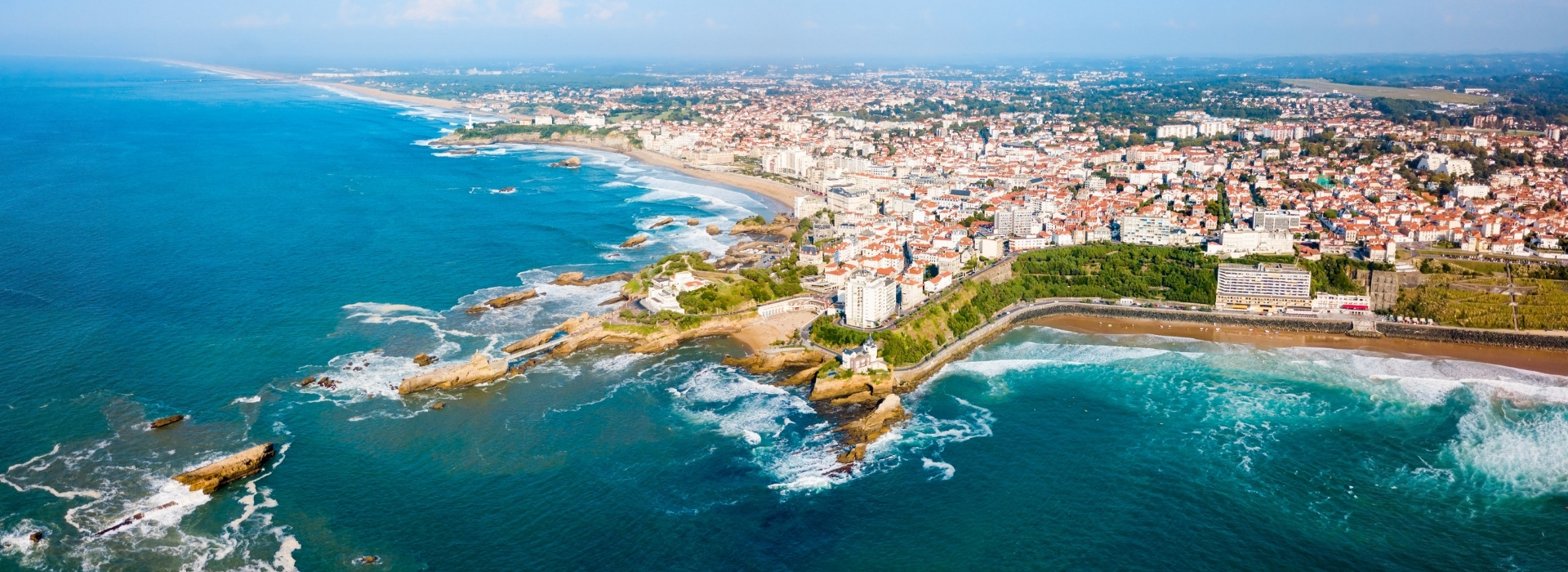
As the economic and cultural capital of the Basque Country, Bayonne is located about thirty kilometers from our campsite in the Basque Country. Classified as a City of Art and History, it charms visitors with its picturesque quarters, its exceptional heritage and its way of life that is both festive and gourmet. Visiting Bayonne means discovering a city of character where 2,000 years of history, living traditions and a gentle pace of life meet along the banks of the Nive and Adour rivers. To plan your visit, check the official website of the Bayonne tourist office.
Bayonne, a town in the Basque Country
From a historical point of view, Bayonne has known all the invasions and influences. In the XIIᵉ century, the town was part of the estate of Eleanor of Aquitaine, wife of Henry Plantagenet. In turn Roman, English and then French, it has preserved traces of this eventful past in its ramparts, towers and old quarters.
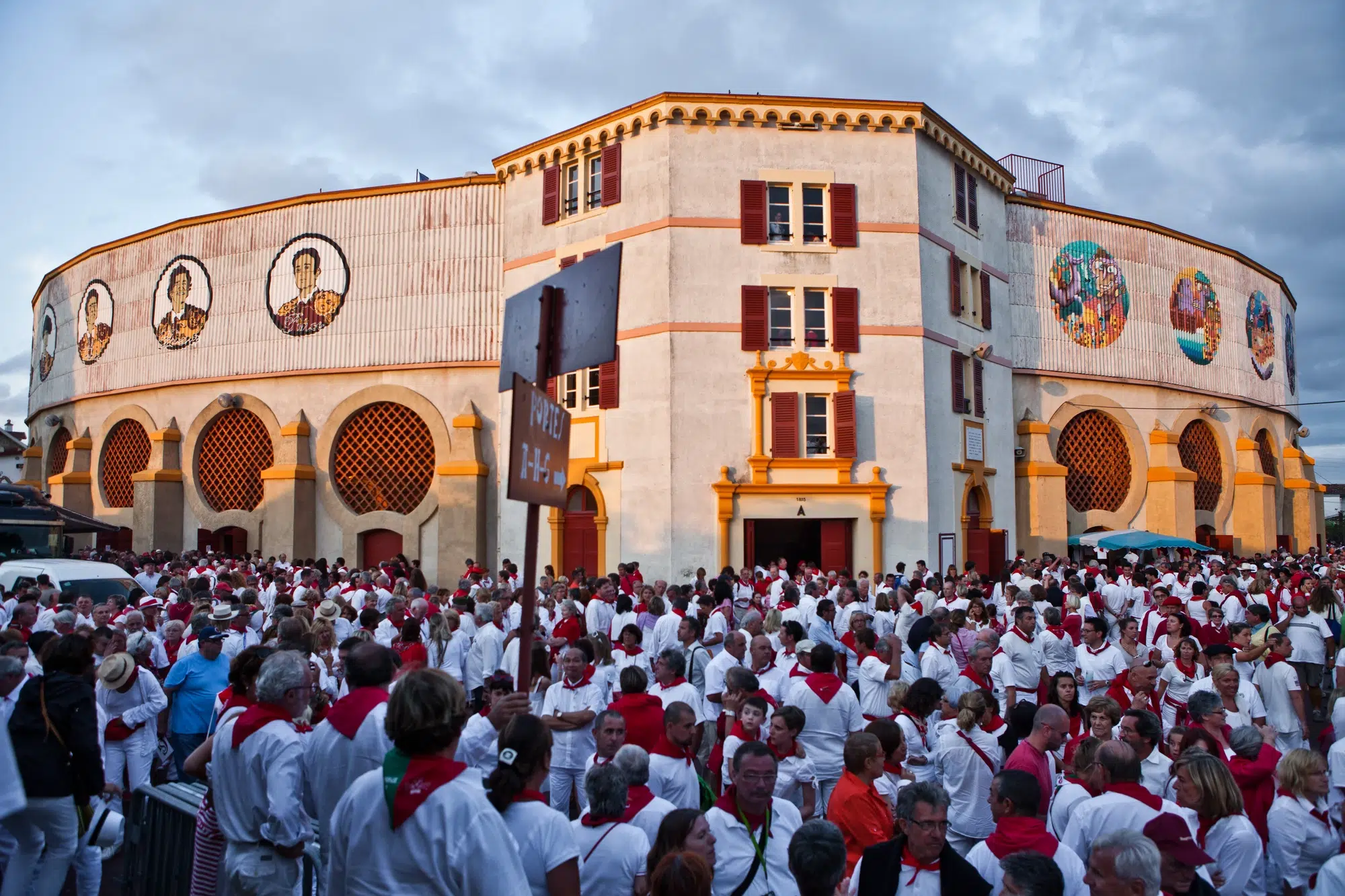
Situated at the confluence of the Nive and Adour rivers, Bayonne is the gateway to the Basque Country. The town is dynamic, thanks to its shopkeepers, its old quarters with colorful facades, its lively pedestrian streets and its festive spirit, already praised by Voltaire: “They sing and dance at the foot of the Pyrenees, living proof of the importance of tradition in the lives of men.” Bayonne is also France’s oldest bullfighting town, and every summer, aficionados flock to the bullring.
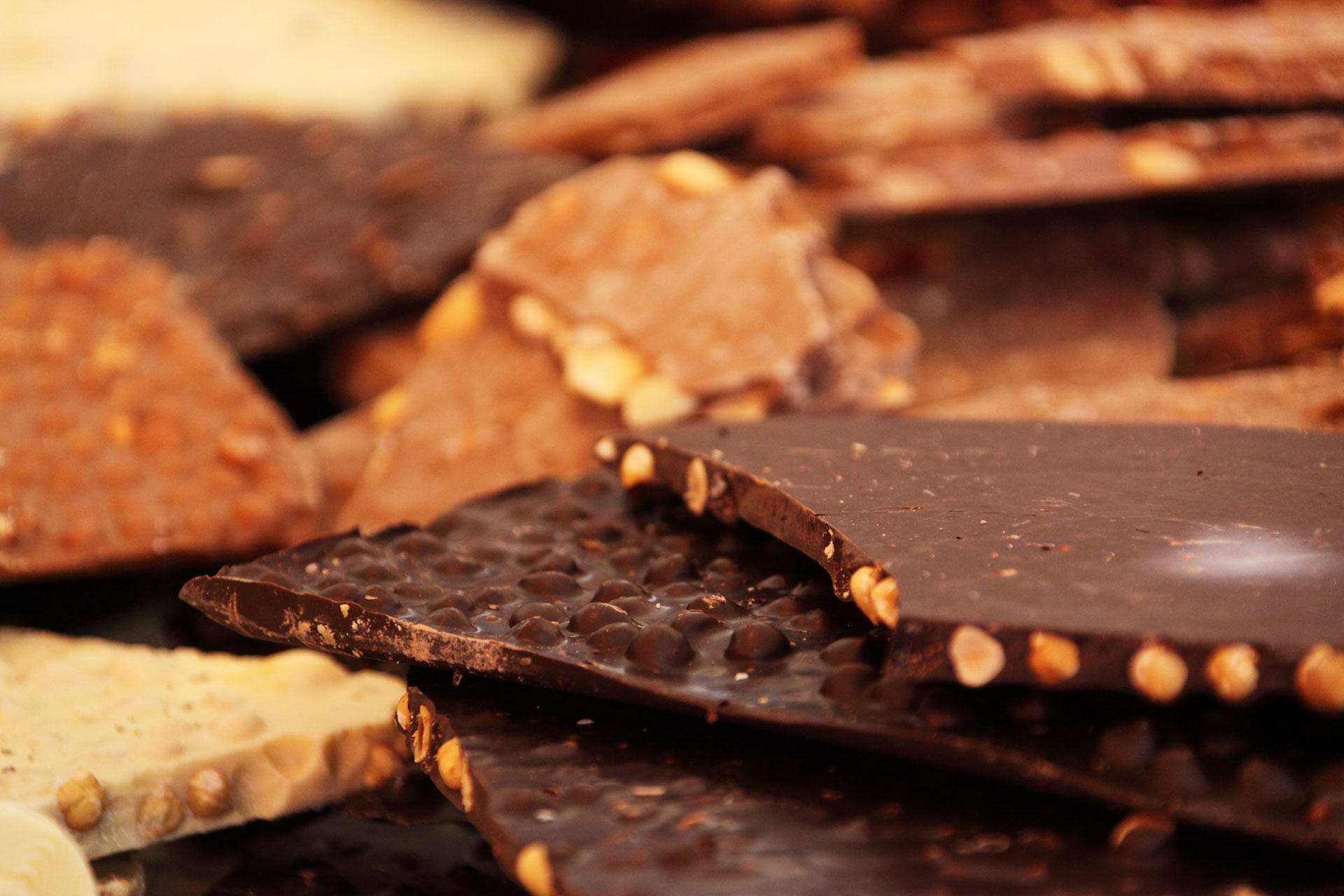
In terms of gastronomy, the town is renowned for its PDO Bayonne ham and its chocolate, a tradition dating back to the 17th century. The artisanal chocolate factories and the Bayonne halles are must-sees for food lovers. Tourism in Bayonne is also a treat for the taste buds!
Discover Bayonne from the campsite
From the Itsas Mendi campsite, Bayonne can be reached by car (approx. 30 minutes) or by Txik Txak bus. One day is enough to discover the city’s emblematic sites, but heritage lovers will certainly want to come back!
The ramparts of Mousserolles
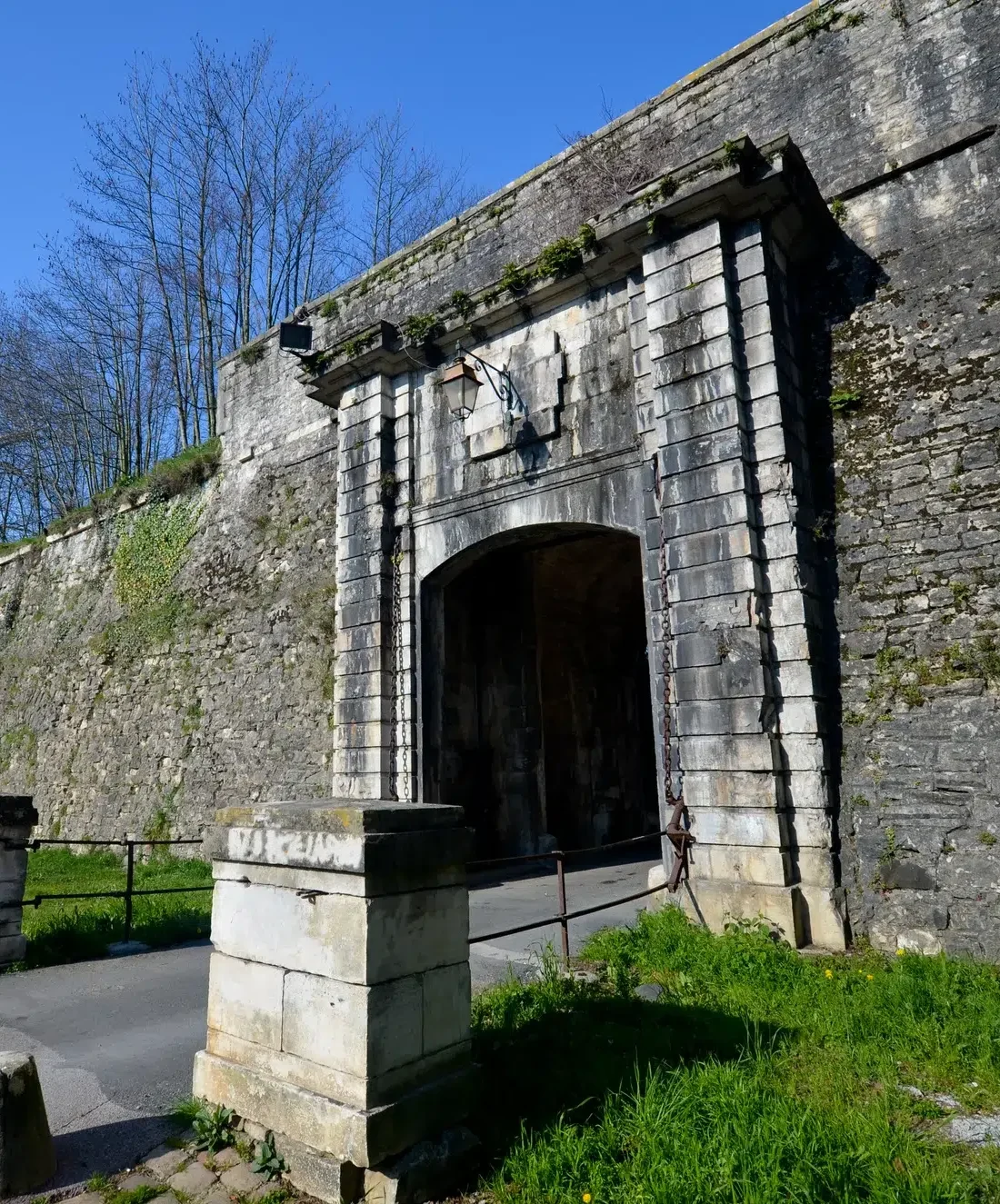
Built in the time of Vauban, the ramparts of Bayonne bring together three fortification systems constructed over the centuries. Today transformed into a charming promenade, they offer a verdant setting with a pond, an open-air theater and a play area. In the upper town, you can see a double belt of ancient stone: the Spain Gate, the Roman and then medieval wall with its Towers of the Two Sisters and the Executioner, and the 16th-century wall known as the Francis I wall. In Petit Bayonne, the Mousserolles Gate retains its original drawbridge.
The districts of Grand and Petit Bayonne
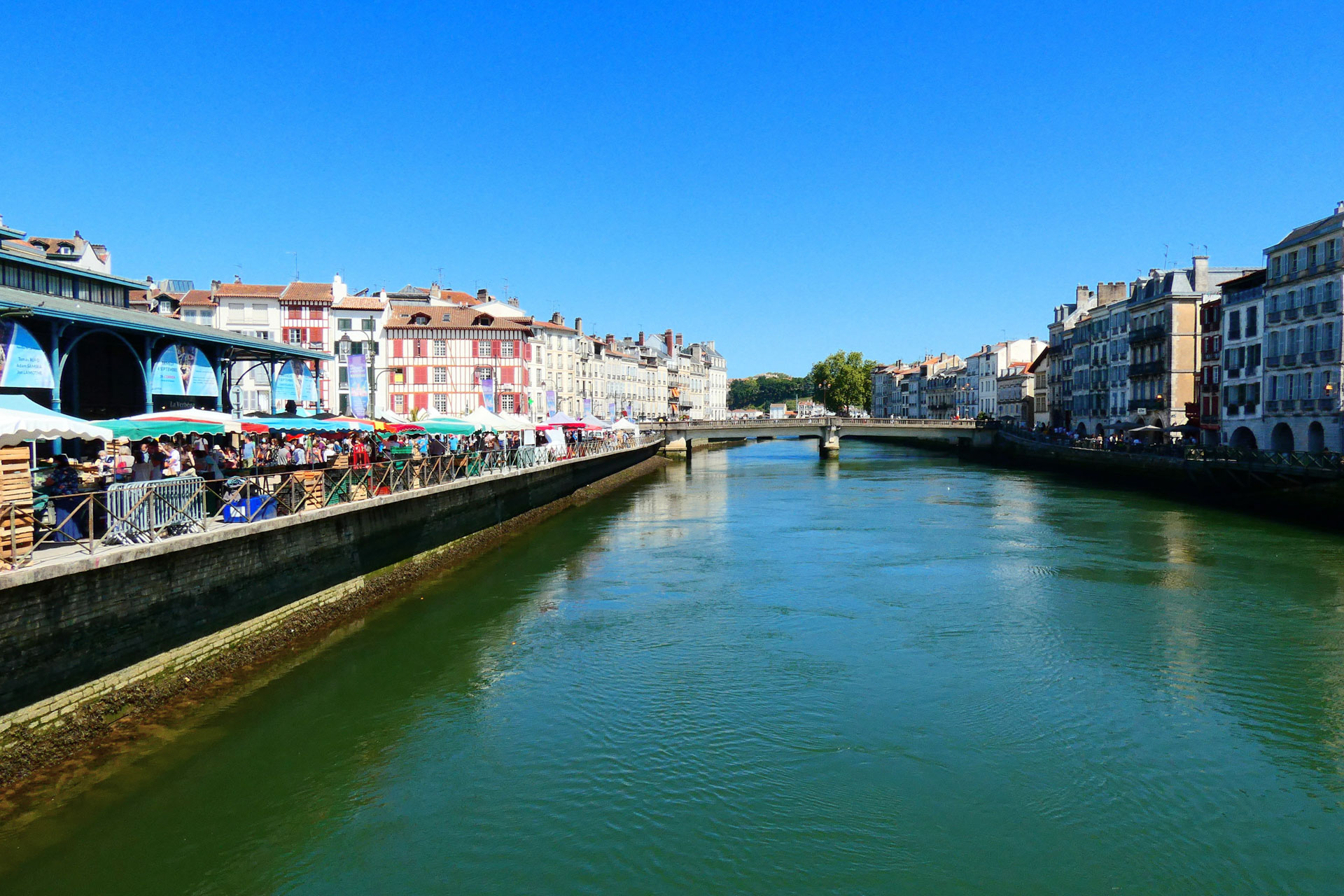
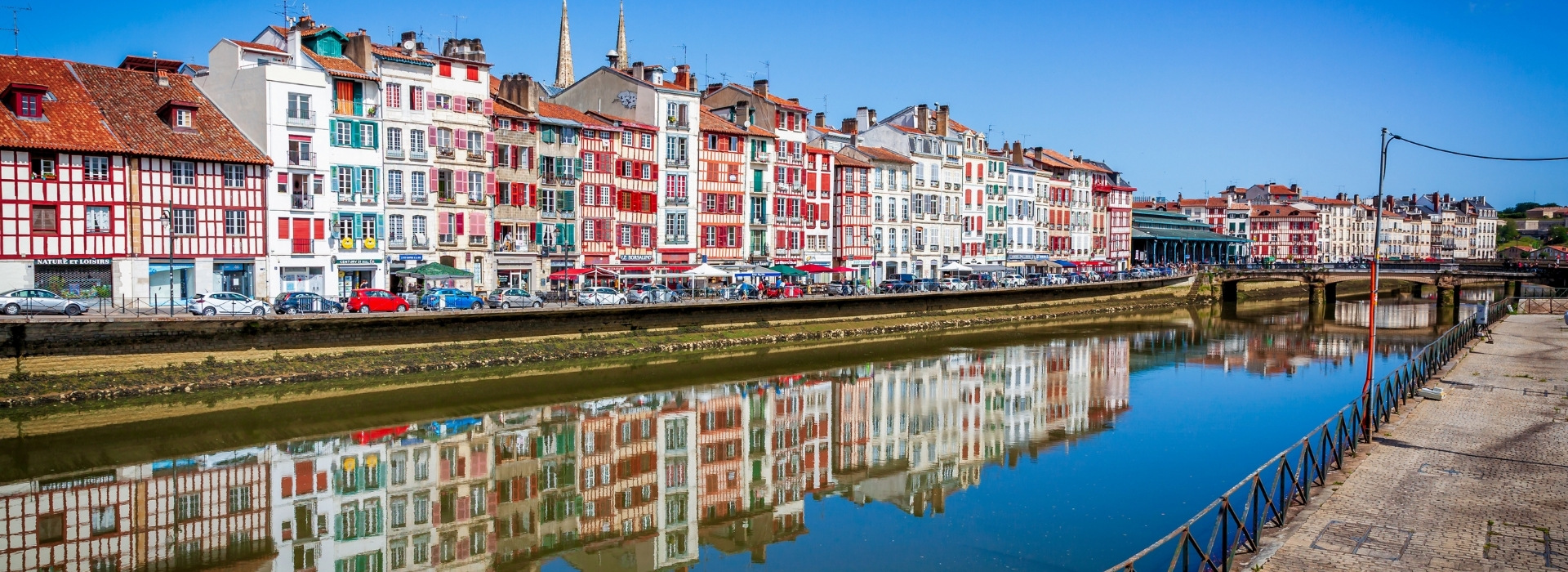
Stroll through the narrow streets of Grand Bayonne and Petit Bayonne to discover the colorful facades, half-timbered houses and artisan shops. The quays of the Nive, lined with café terraces and restaurants, are the beating heart of the city. The Bayonne halles, located on the banks of the Nive, are the ultimate gourmet meeting point: cured meats, cheeses, chocolates, local products… There is no shortage of activities in Bayonne: shopping, tastings, street art, bike rides along the Adour…
Sainte-Marie Cathedral
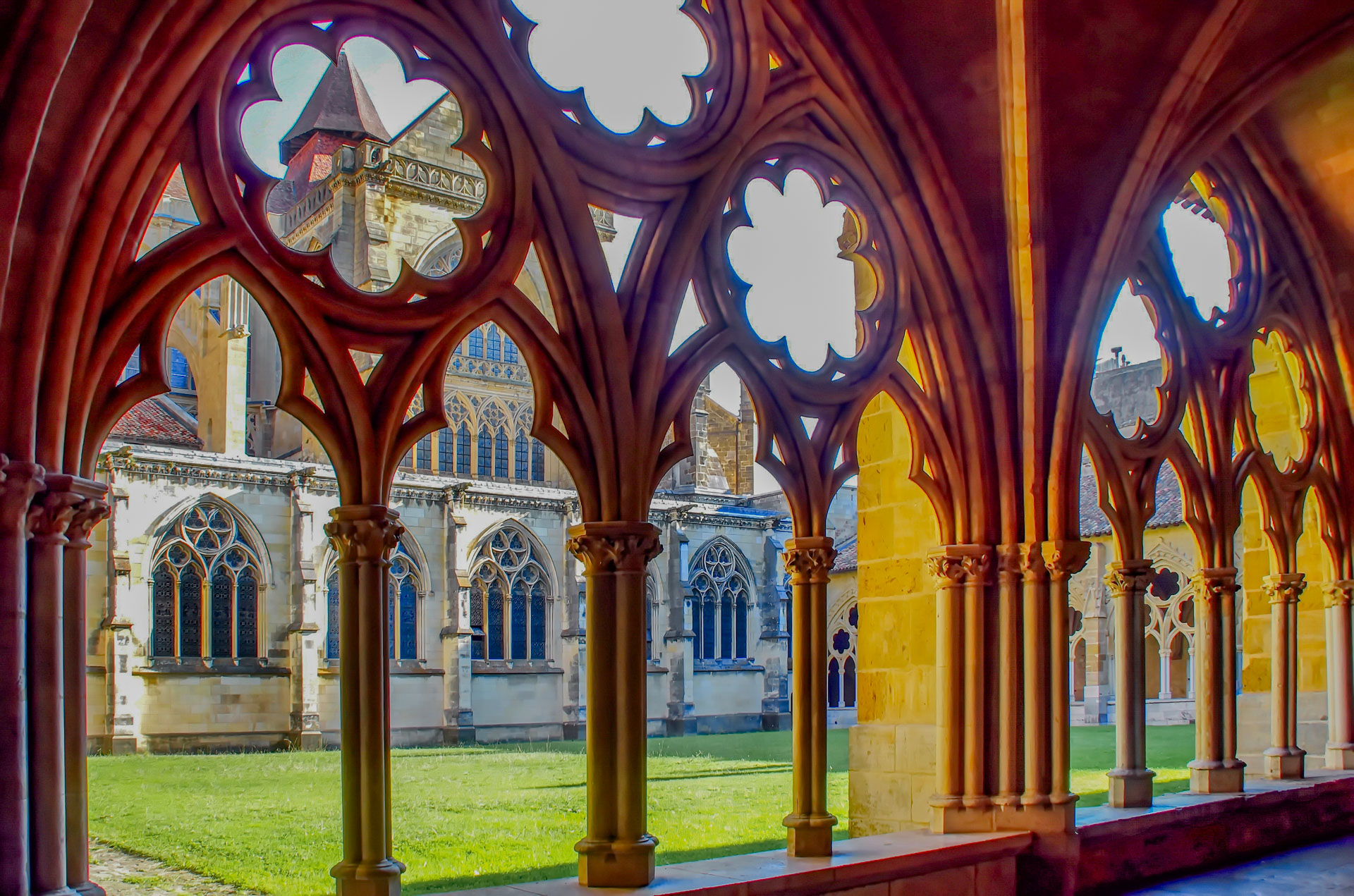
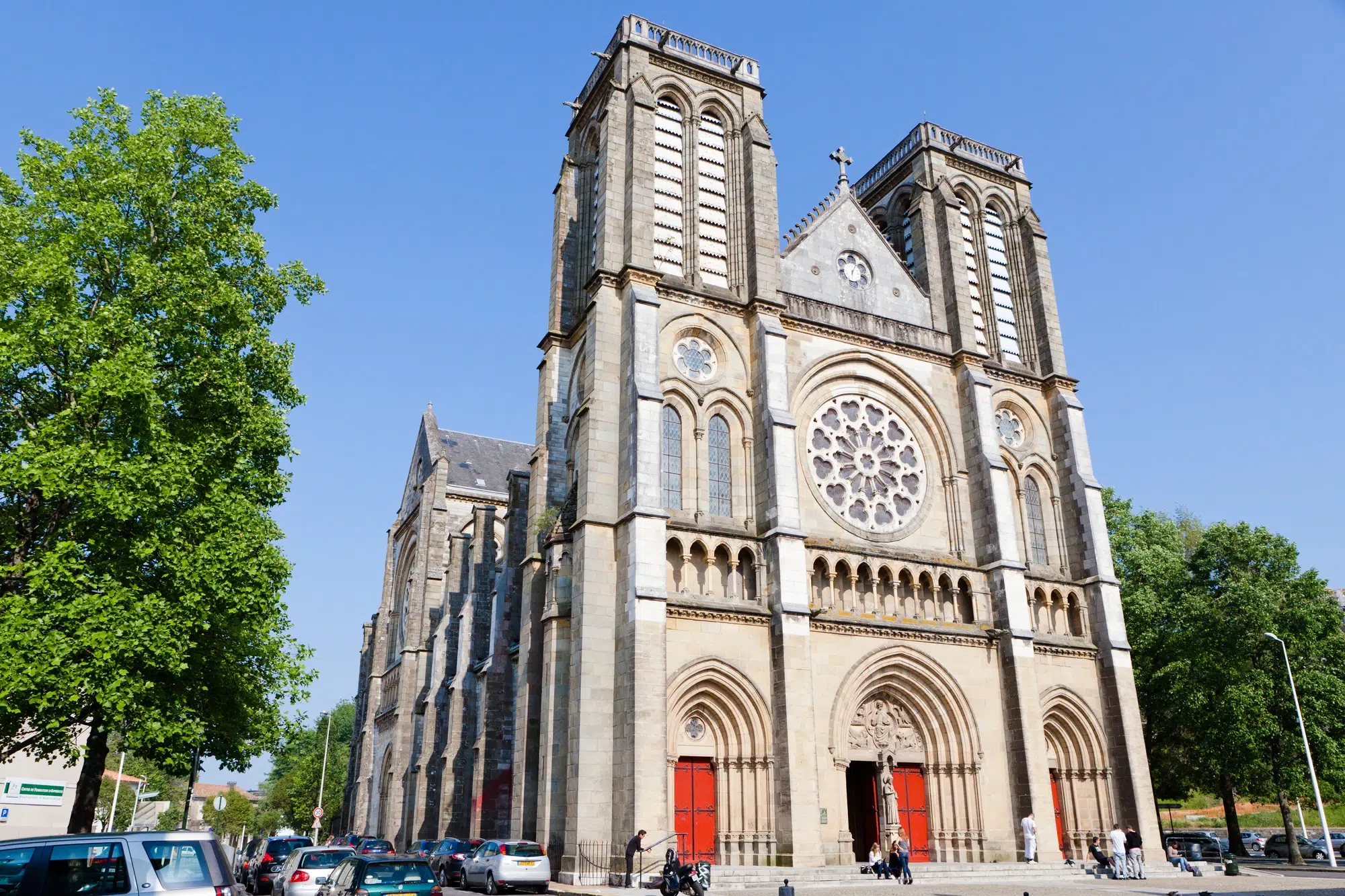
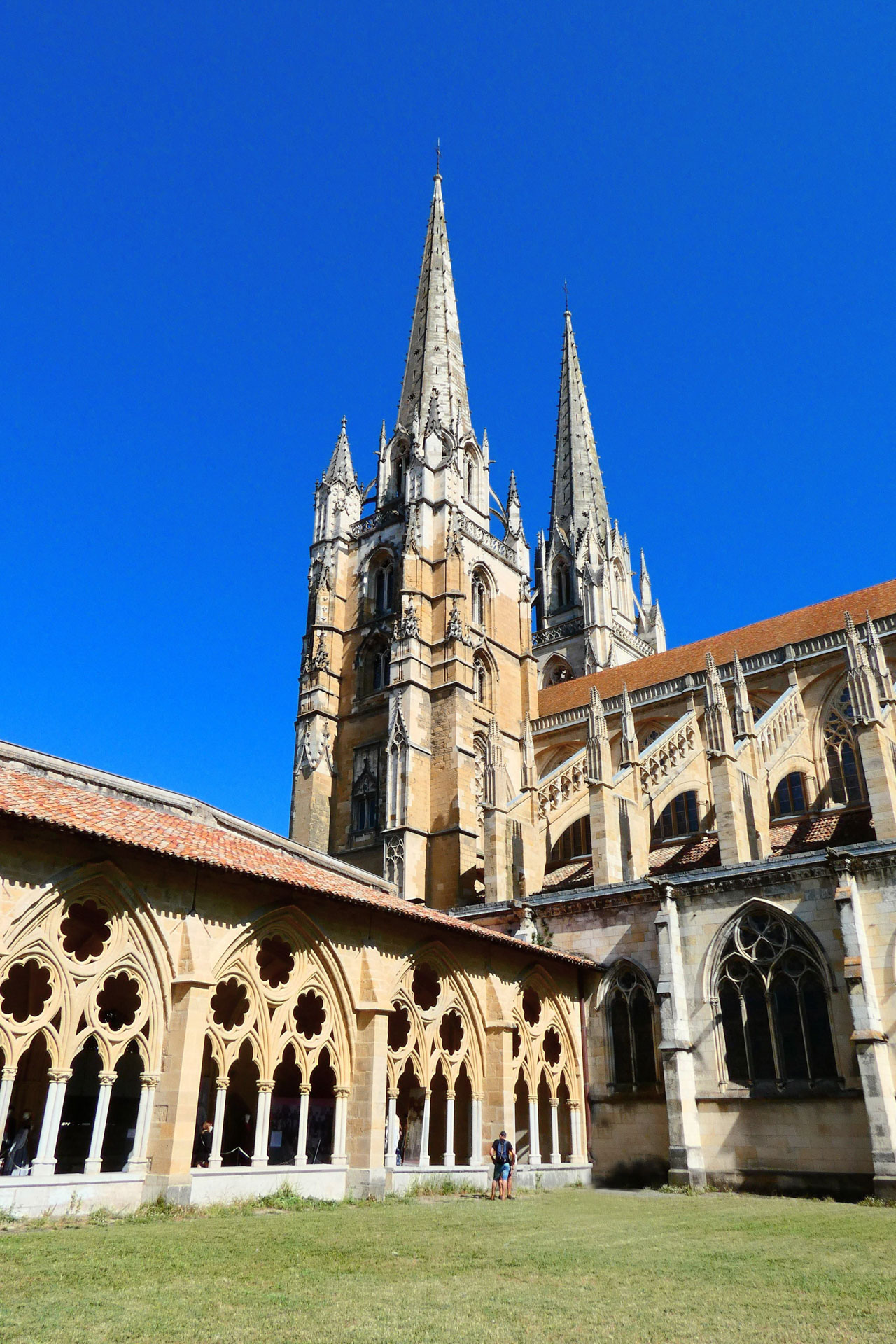
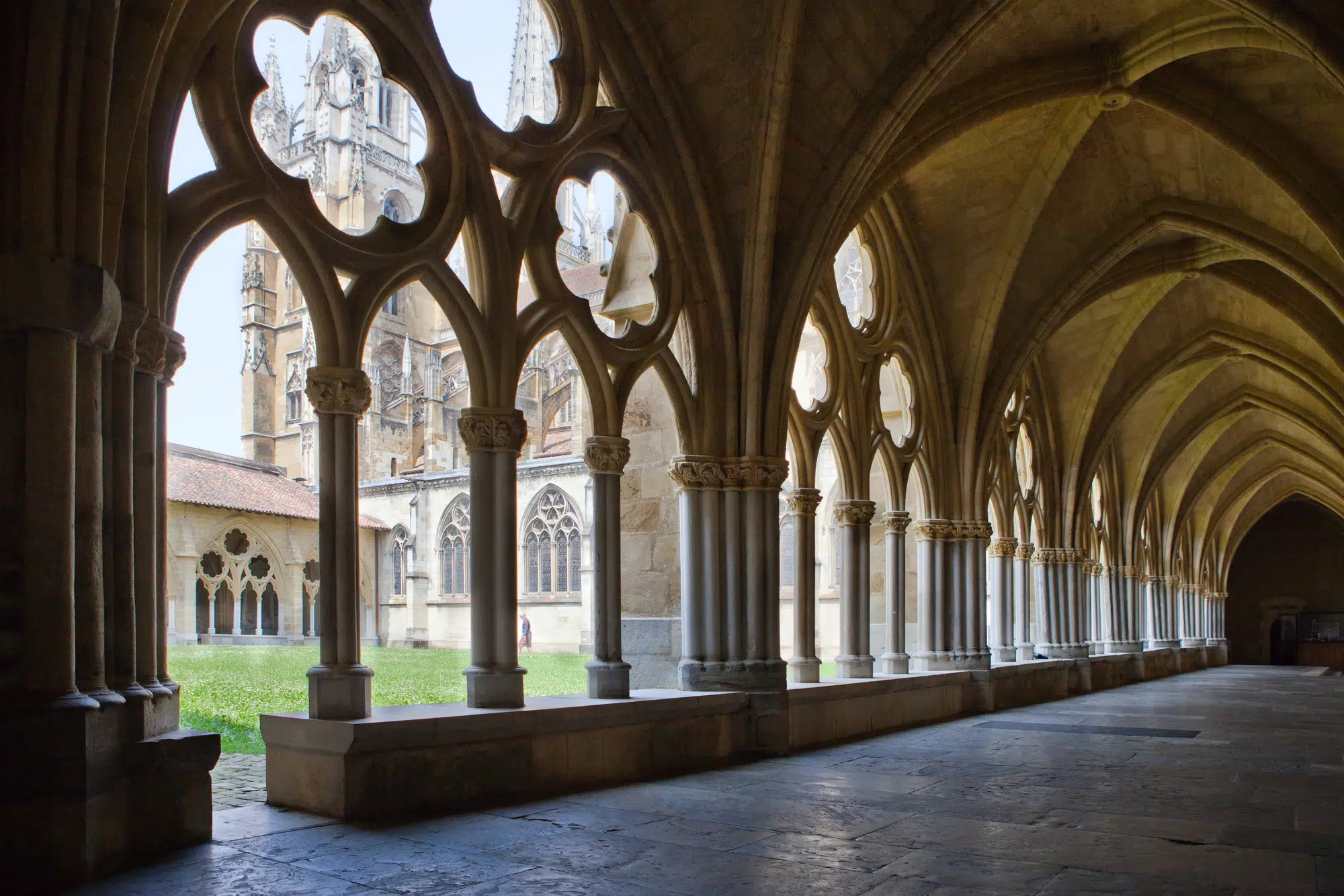
On the Way of Saint James, Sainte-Marie Cathedral is the jewel of Bayonne’s architectural heritage. A UNESCO World Heritage site, this Gothic building was erected on the site of a Romanesque cathedral that burned down. Work began in 1258 and was completed at the end of the Hundred Years’ War. Its twin spires dominate the old town, and its 14th-century cloister is one of the largest in France. An essential site for lovers of religious art and medieval architecture.
The Bonnat Museum
Visit The Bonnat-Helleu Museum brings together the masterpieces of the painter Léon Bonnat, a native of Bayonne (1833-1922). In 1891, he gifted the city his collection of paintings, drawings and sculptures from the 14th to the 19th century. This museum is among the largest in France and its drawing cabinet has a worldwide reputation. Rubens, Watteau, Raphael, Degas, Rembrandt, El Greco… The greatest masters are represented. An exceptional cultural visit for art lovers!
The Bayonne Festivals (late July)
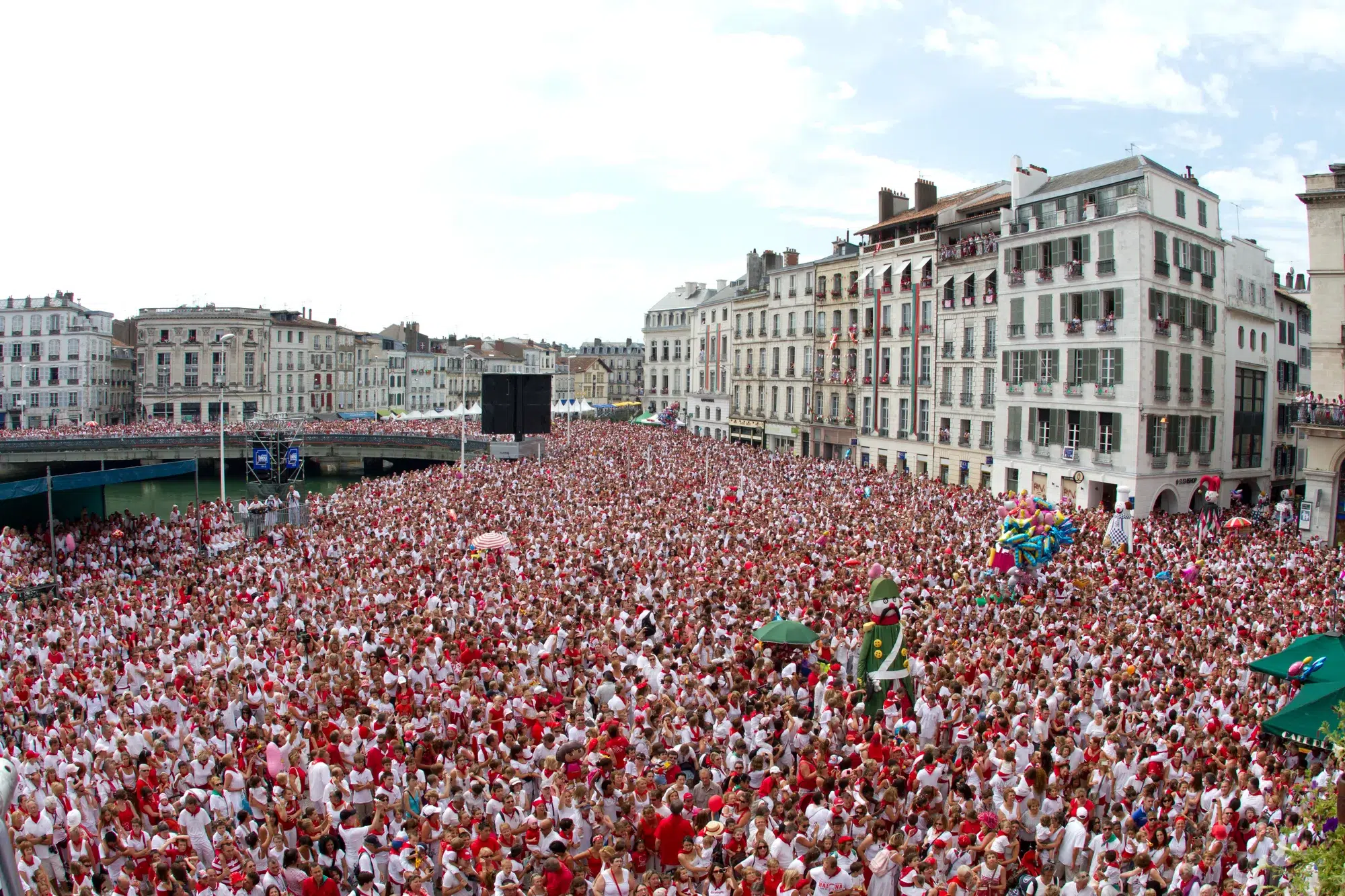
When King Léon releases the crowd gathered in the square from the town hall balcony, Bayonne settles in for five days of collective madness. Since 1932, hundreds of thousands of people have flocked to the city, all dressed in the traditional outfit: white trousers, white shirt and red scarf. The origin? A few rugby-playing friends from Aviron Bayonnais, regulars at the San Fermin in Pamplona, organized festivities inspired by the Navarrese atmosphere. Cow runs, float parades, children’s games, bandas and txarangas… The Bayonne Festivals are now the largest festivals in France and attract the best groups from the Basque Country, Navarre and Gipuzkoa. A unique experience to be lived at least once!