


 Campsite near Hendaye
 Campsite near Hendaye
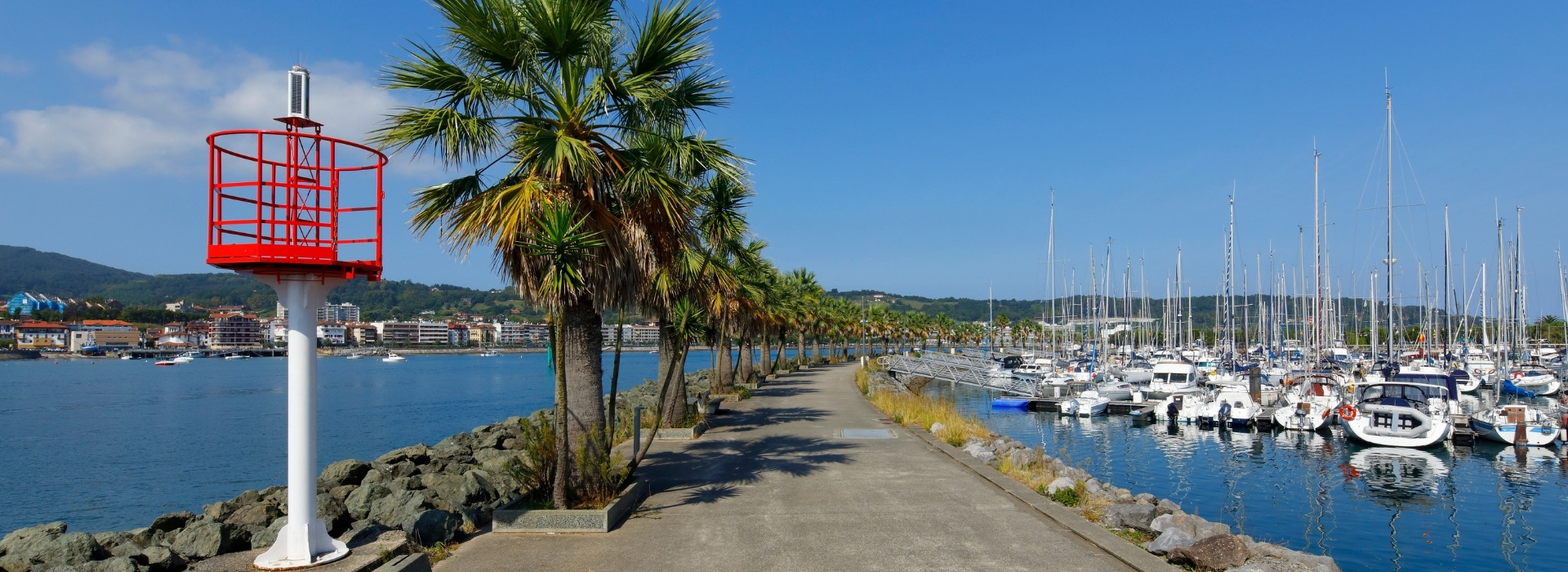
Just 10 kilometers from our campsite in Saint-Jean-de-Luz, Hendaye is the last town on the Basque Coast before Spain. Set in an exceptional location between the Atlantic Ocean and the first Pyrenean mountains, it captivates with its long fine sandy beach, remarkable heritage and immediate proximity to the Spanish Basque Country. Visiting Hendaye means discovering a family seaside resort par excellence, where the gentle pace of life blends with the natural and cultural riches of the Franco-Spanish border. To plan your visit, consult the official website of the Hendaye tourist office.
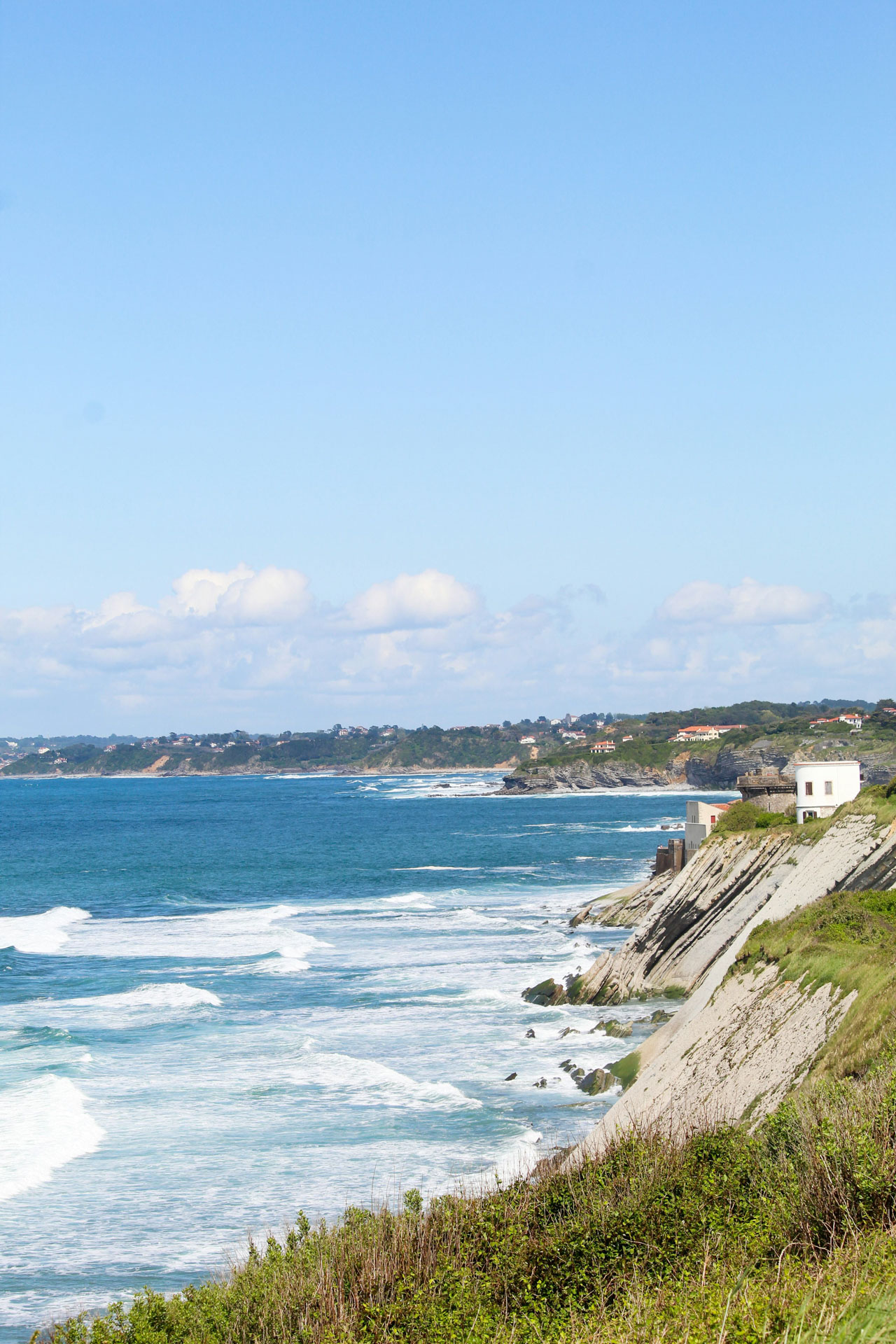
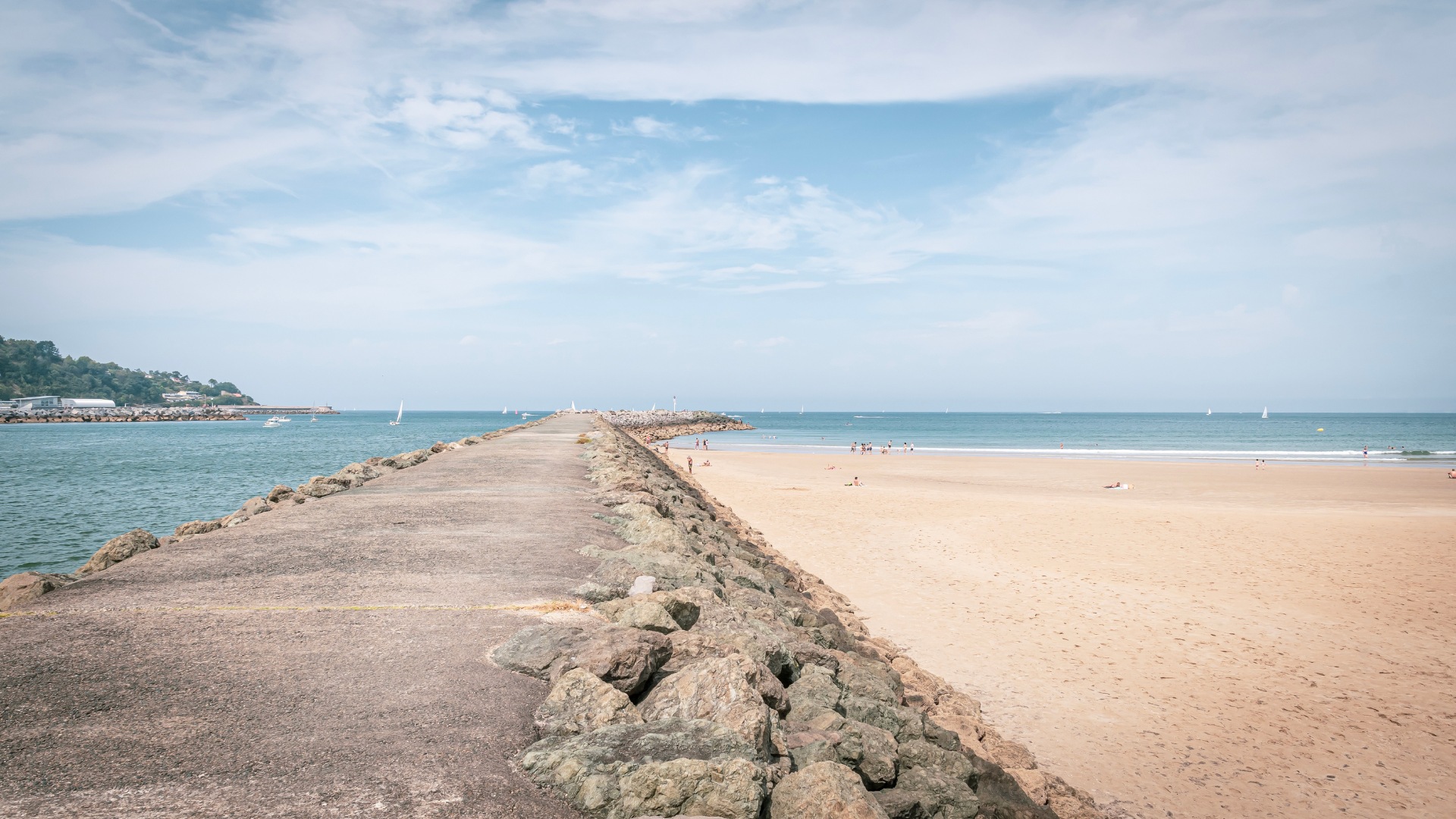
Hendaye, family seaside resort
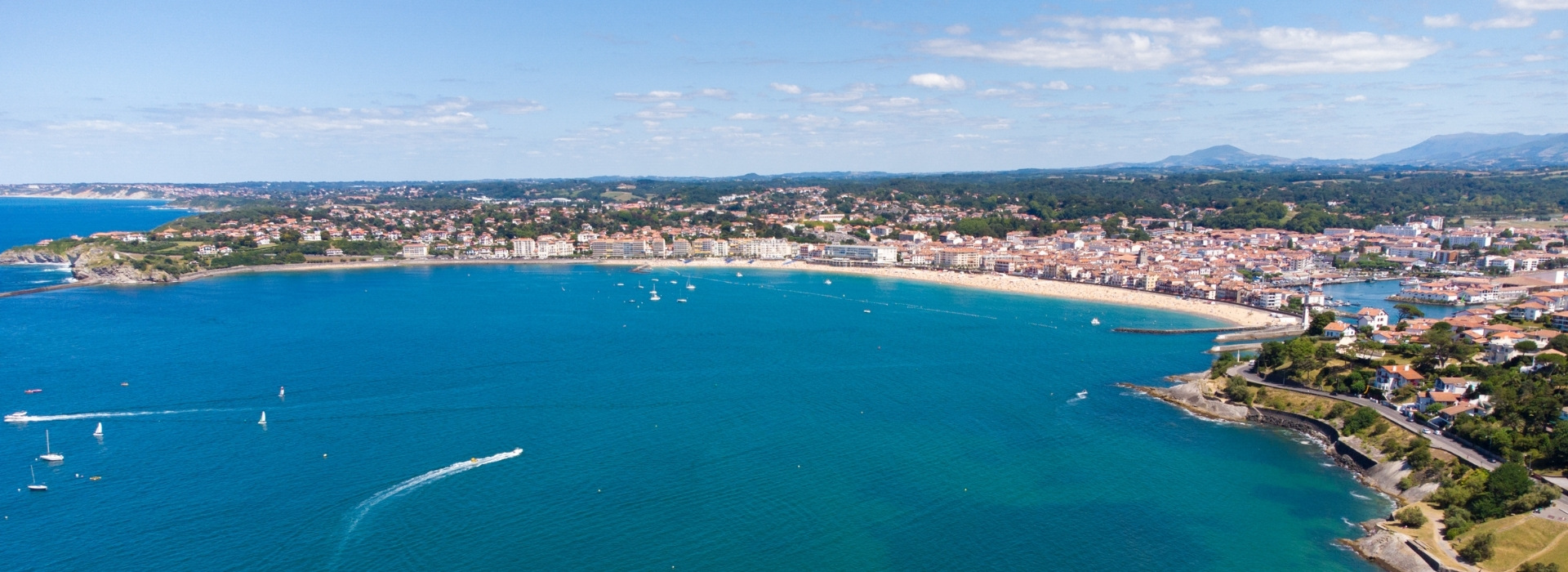
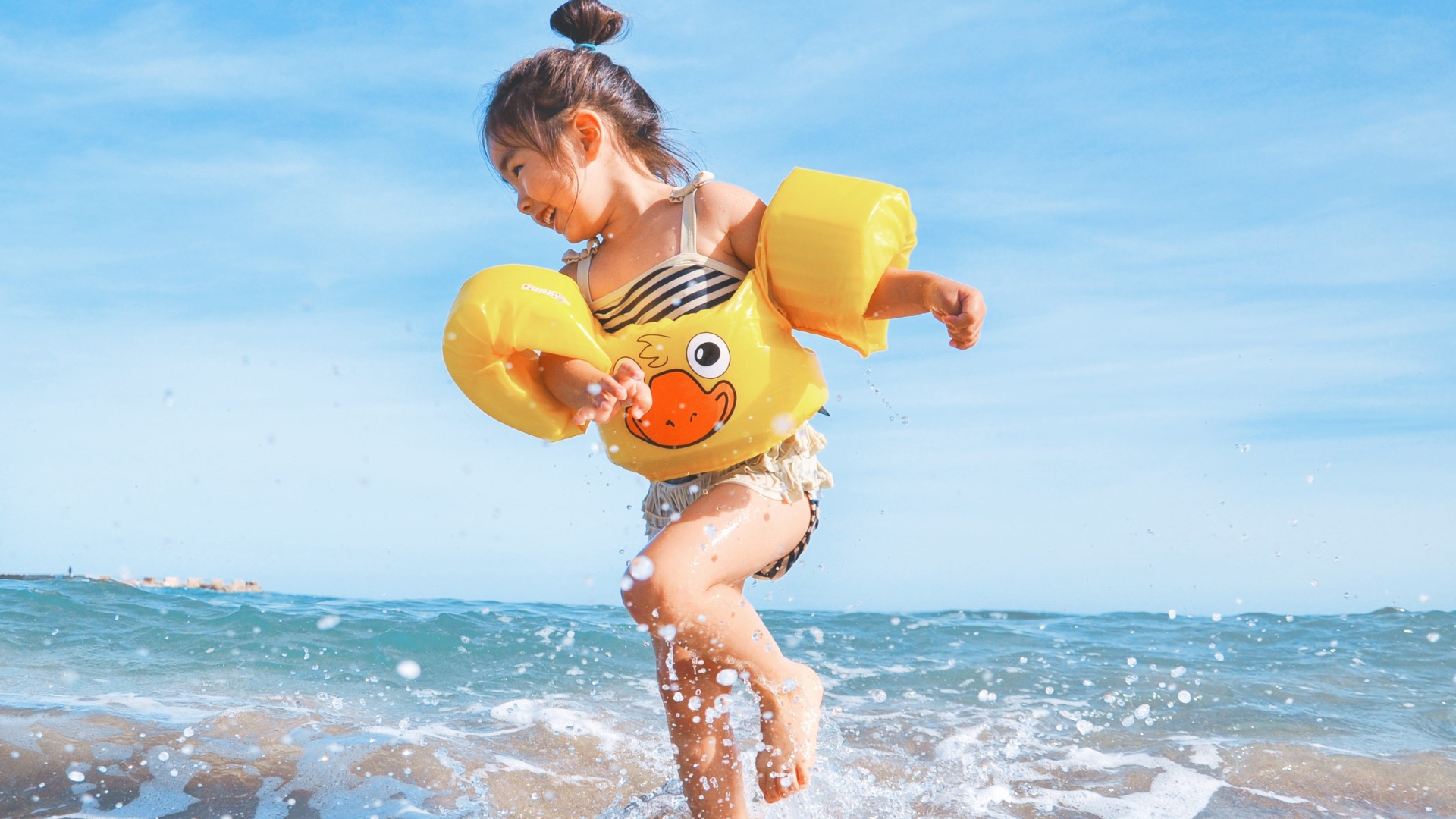
With its 3 kilometers of fine sandy beach, Hendaye is a family favorite on the Basque Coast. The water reaches 23°C at the height of summer, and the protected bay offers ideal swimming conditions for children. The beach, bordered by a long promenade, is one of the largest and safest on the Basque coast. Supervised in season, it boasts family-friendly facilities: lifeguard posts, playgrounds, restaurants and shops nearby.
Visit Saint-Jean-de-Luz
A visit to Saint-Jean-de-Luz means discovering a rich and accessible heritage, concentrated in a compact downtown area that’s easy to explore on foot. Here are the must-see sites not to be missed during your stay.
Tourism in Hendaye is not limited to the beach. The town has preserved its natural environment and benefits from the “Environmentally Sensitive Town” label. The winding curves of the Bidassoa, the border river between France and Spain, offer a peaceful setting for walks on foot or by bike. Pheasant Island, located on the Bidassoa, witnessed the passage of great figures and major historical events, including the signing of the Treaty of the Pyrenees in 1659.
The Abbadia estate and the château-observatory
The Abbadia estate is one of the natural and heritage gems of the Basque Coast. Its spectacular cliffs overlook the ocean and offer breathtaking panoramas of the Basque corniche. Classed as a protected natural site, the estate is criss-crossed by hiking trails accessible to all, perfect for a family stroll or a nature outing.
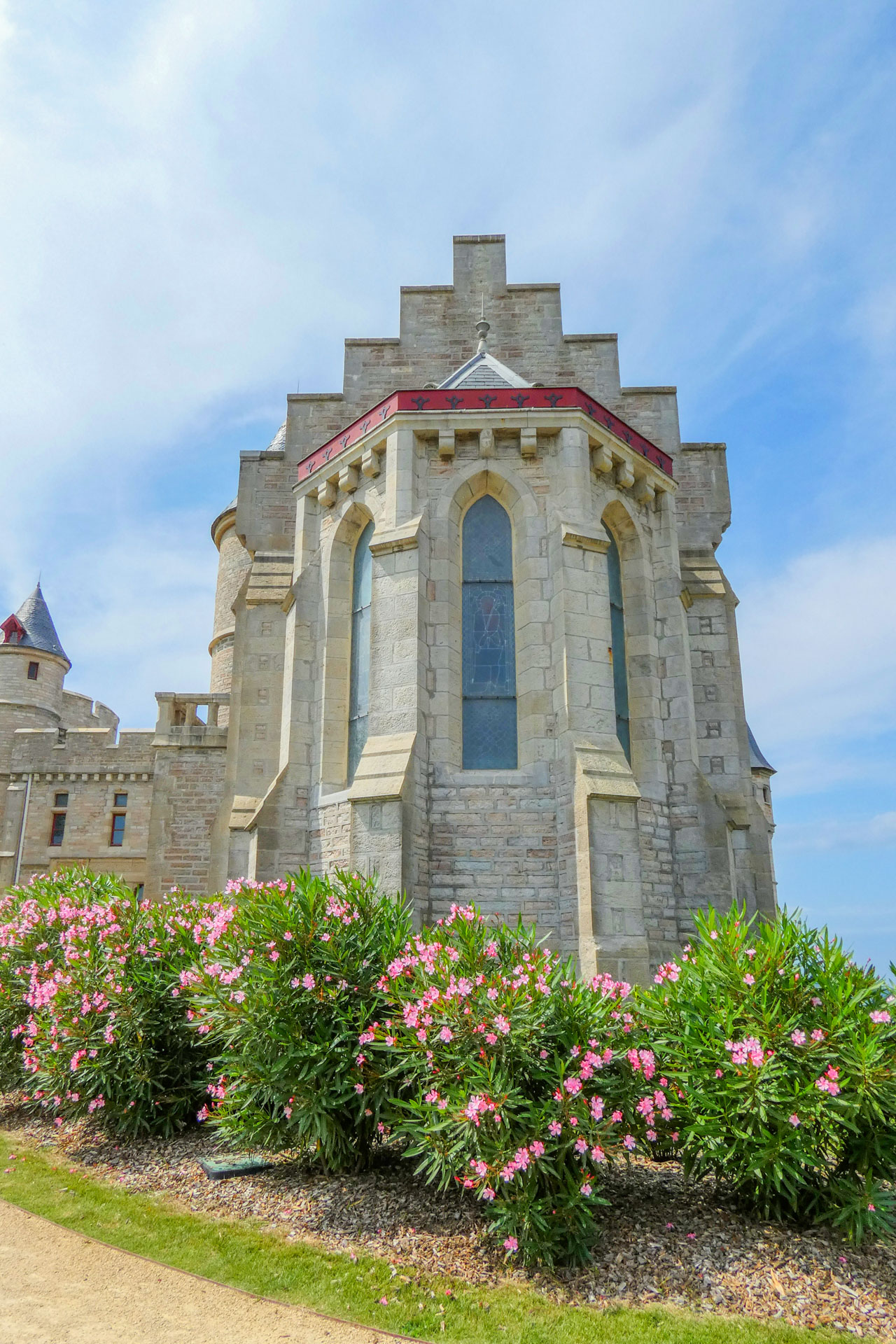
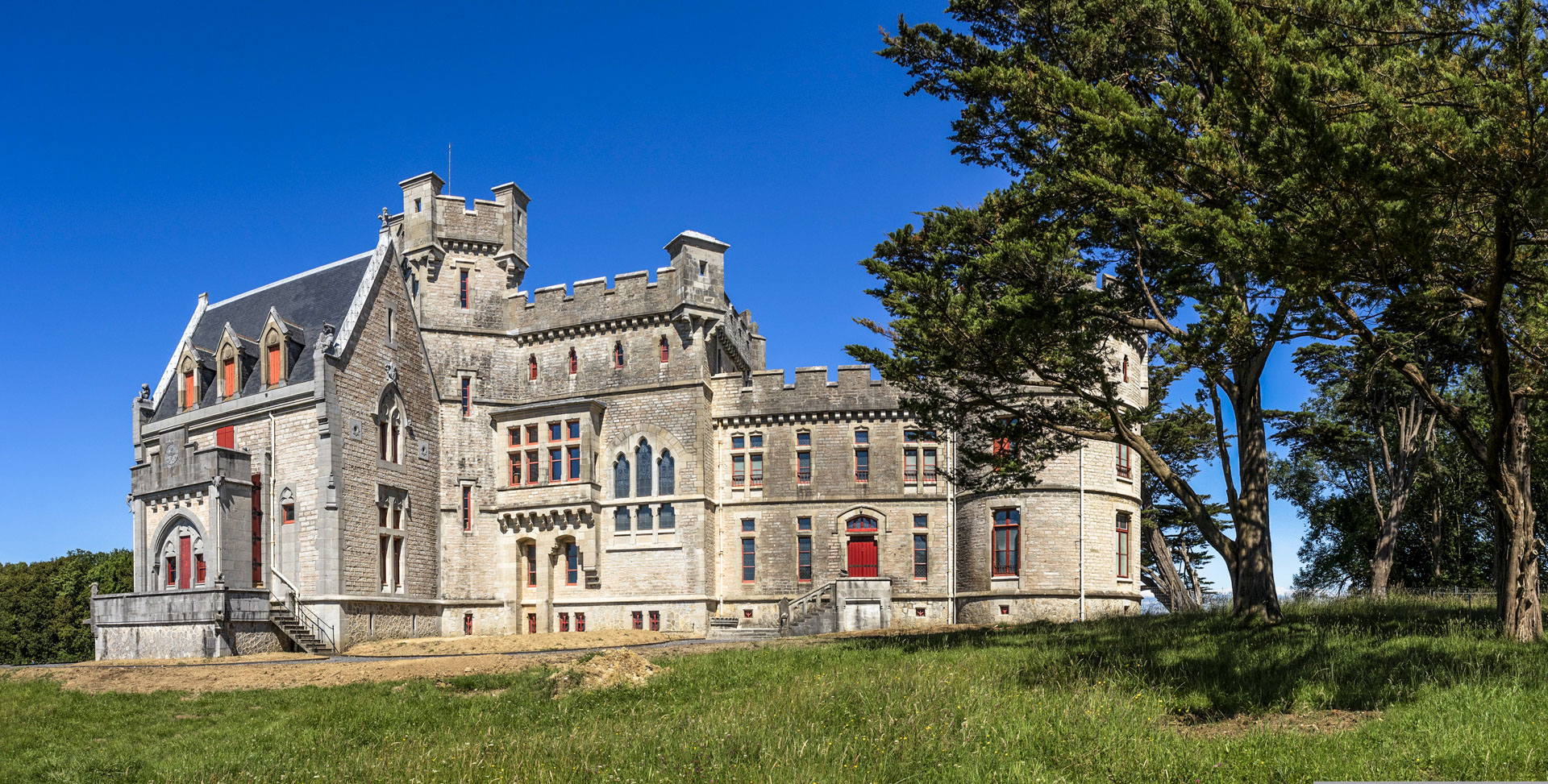
At the heart of the estate stands the Abbadia château-observatory, a richly decorated neo-Gothic residence built in the 19th century for Antoine d’Abbadie, explorer and scientist with a passion for astronomy. Owned by the Académie des Sciences, the château is open to the public and reveals a fascinating interior: period furniture, orientalist frescoes, a chapel and an astronomical observatory still in operation. A must-see for lovers of heritage and curiosities!
Activities in Hendaye and at the gateway to Spain
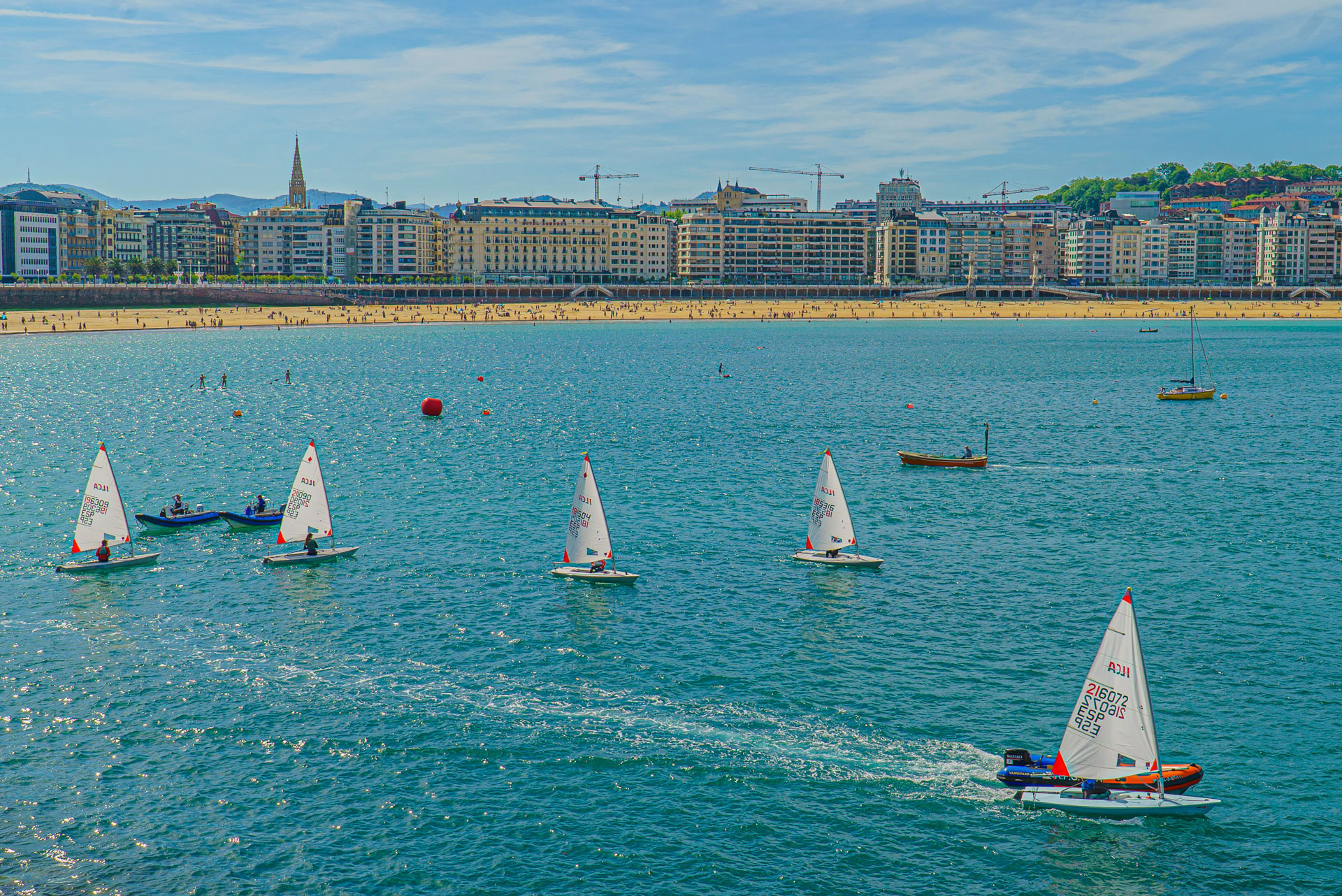
Activities in Hendaye are many and varied. On the ocean side, surf and paddle schools welcome beginners and advanced surfers to the beach spots. Hiking enthusiasts can follow the coastal path along the Basque corniche to Saint-Jean-de-Luz, offering breathtaking views of the cliffs and ocean. Cyclists will enjoy the Vélodyssée and the cycle paths linking Hendaye to neighboring towns.
The proximity of Spain adds particular interest for the curious. The towns of Irun and Hondarribia (Fuenterrabía) are accessible in just a few minutes, on foot, by boat or by car. Hondarribia, with its colorful houses, medieval streets and pintxos, is a captivating escape not to be missed. Cross-border exchanges are facilitated by the Consorcio Bidasoa-Txingudi, which brings together the three municipalities around shared projects.
What to see and do in Hendaye?
Here are the must-see sites for your visit to Hendaye:
Hendaye beach: 3 kilometers of fine sand, supervised swimming, ideal for families.
Abbadia château-observatory: neo-Gothic residence, guided tour, exceptional panorama.
Abbadia estate: cliffs, hiking trails, protected natural site.
The Basque corniche: coastal path between Hendaye and Saint-Jean-de-Luz, remarkable cliffs.
Pheasant Island: historic site on the Bidassoa, symbol of the Franco-Spanish border.
Hondarribia: Spanish Basque village, accessible by boat, medieval streets and gastronomy.
Hendaye is also twinned with Peebles in Scotland and Viana do Castelo in Portugal, reflecting its openness to the world.
Discover also