


 Holidays in Saint-Jean-de-Luz:
discover the pearl of the Basque Country
 Holidays in Saint-Jean-de-Luz:
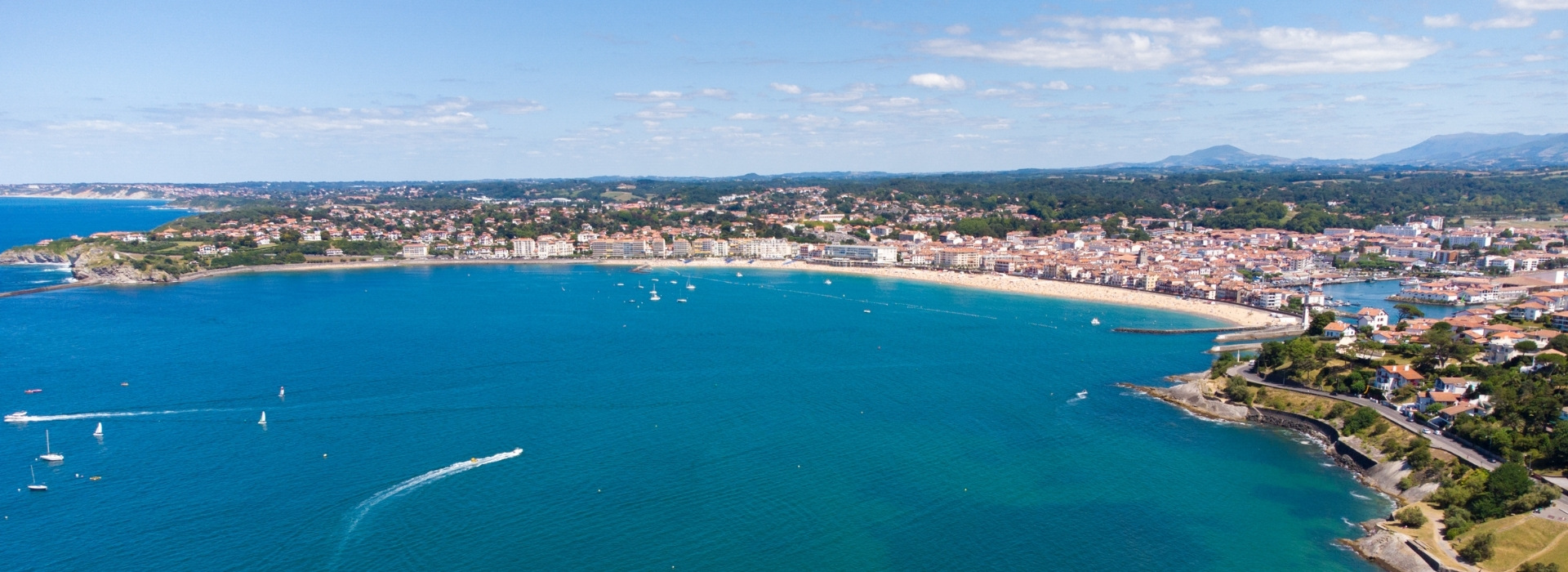
Just 400 metres from the beaches and 4 kilometres from the town centre, our campsite in the Basque Country is your ideal starting point for exploring Saint-Jean-de-Luz at your own pace. Nestled in a sheltered bay between Sainte-Barbe hill and the Socoa fort, this charming seaside town wins you over with its authenticity, colourful fishing port, lively lanes and rich heritage steeped in history. Easy to reach on foot, by bike or on the Txik Txak bus from Itsas Mendi campsite, the town invites you to stroll, taste, discover… and come back again. To plan your visits, check the official website of the Saint-Jean-de-Luz Tourist Office.
Saint-Jean-de-Luz, a story shaped by fishing and tourism
Open to the ocean and set on the doorstep of Spain, Saint-Jean-de-Luz has always lived to the rhythm of the sea. As far back as prehistory, its inhabitants drew their livelihood from fishing. In the 11th century, whaling brought prosperity to the town, before giving way to cod fishing, then sardines and finally tuna, which remains the city’s emblem today. Every summer, locals celebrate tuna with gratitude and good cheer during the Fêtes de la Mer et du Ttoro. The seafront, lined with typical Labourd half-timbered houses, grand hotels and small guesthouses, bears witness to this flourishing seaside resort’s past. Tourism in Saint-Jean-de-Luz truly took off in the early 20th century, attracting writers, artists and travellers in search of the good life. But it was the royal wedding of Louis XIV to Infanta Maria Theresa of Austria, celebrated on June 9, 1660 in Saint-Jean-Baptiste church, that secured the town’s place in the great history of France. Framed by the mountains of Labourd and Gipuzkoa, the Bay of Saint-Jean-de-Luz offers an exceptional natural setting, between ocean and Pyrenean peaks.
Visit Saint-Jean-de-Luz
A visit to Saint-Jean-de-Luz means discovering a rich and accessible heritage, concentrated in a compact downtown area that’s easy to explore on foot. Here are the must-see sites not to be missed during your stay.
Barrain Farm Ecomuseum
Imagine stepping back in time… you find yourself in the heart of the Basque Country in the last century! Thanks to the Barrain farm, you’re entering the legend of flax. An astonishing story that Jean Vier wanted to share and bring to life in his eco-museum.
Saint-Baptiste church, Saint-Jean-de-Luz
This is the city’s iconic landmark. Burned down in 1419 during Spanish incursions and then rebuilt in stages, Saint-Jean-Baptiste church is famous for hosting the royal wedding of Louis XIV in 1660. The oldest part dates back to the 15th century. Inside, the single nave is adorned with three levels of superb wooden galleries, typical of Basque churches. The 17th-century altarpiece, made up of three tiers and lavishly decorated with a profusion of statues nestled between twisted columns, is a true masterpiece. A must-see for lovers of heritage and history.
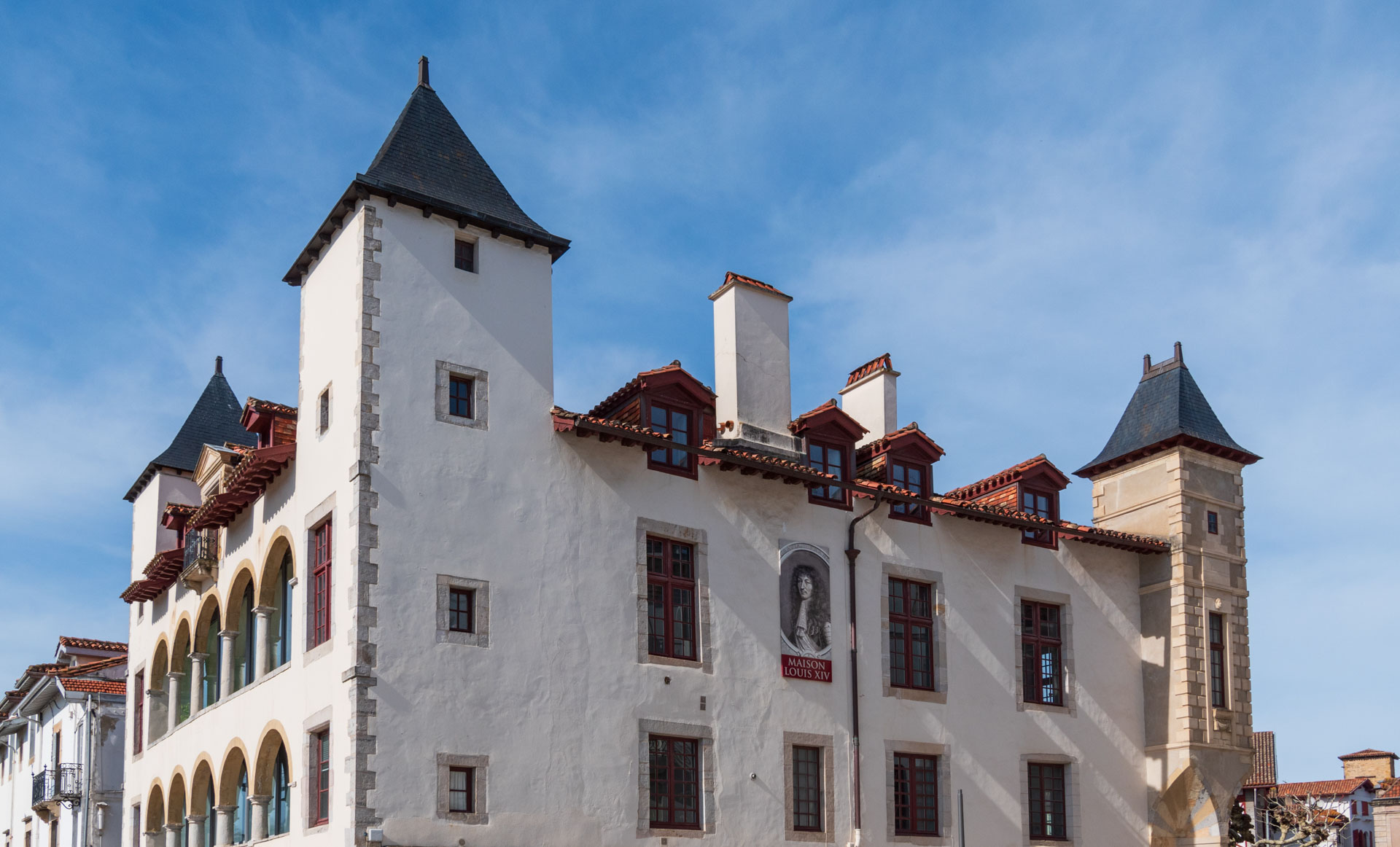
The Maison Louis XIV in Saint-Jean-de-Luz
Surrounded by corbelled turrets, this residence boasts a beautiful stone façade adorned with balconies featuring wrought-iron railings. It housed the young Louis XIV during his wedding in 1660. Inside, a magnificent wooden staircase leads to the first floor, where you’ll discover a lounge decorated with family portraits and a dining room with painted wood panelling. From the gallery, the view over Ciboure and the Pyrenees is striking. A place steeped in history, to discover on a guided tour.
The Infanta House
Just a few steps from Place Louis XIV, this residence welcomed Infanta Maria Theresa of Austria for her marriage to the king. Its pink brick-and-stone façade evokes the charming Italian palaces. Built thanks to the fortune of shipowner Johannot de Haraneder, it allowed him to keep an eye on the comings and goings of his merchant and whaling ships. His coat of arms is engraved above the front door.
The port of Saint-Jean-de-Luz
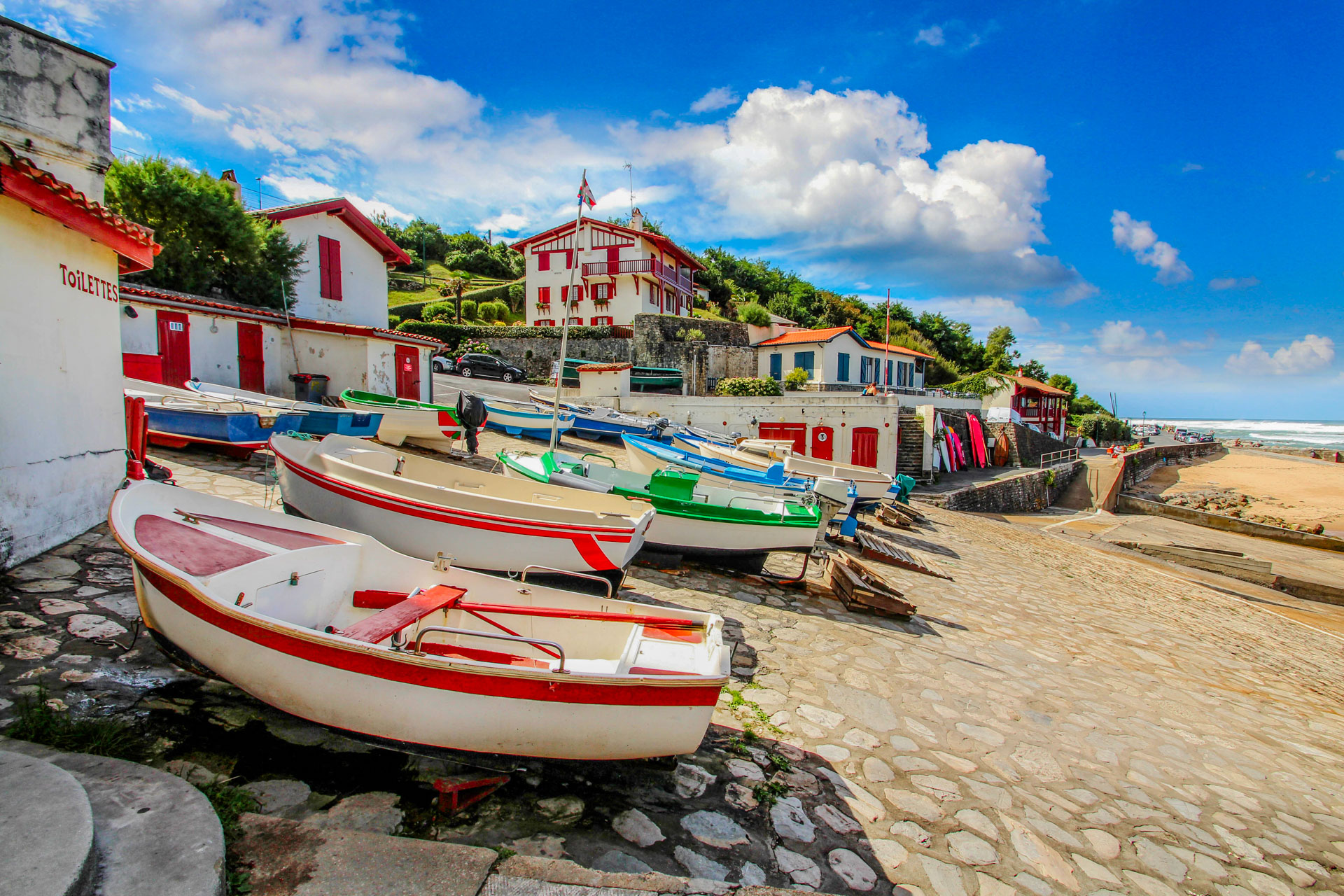
Built in the 12th century, the port is one of the city’s most picturesque spots. Its wooden fishing boats, painted in bright colours, create an authentic, photogenic scene. The Labourd-style houses lining the quays complete this quintessentially Basque picture. Still an active fishing port today, it makes for a must-do stroll, especially at the end of the day when the light turns the façades golden.
Pointe Sainte-Barbe and the coastal path
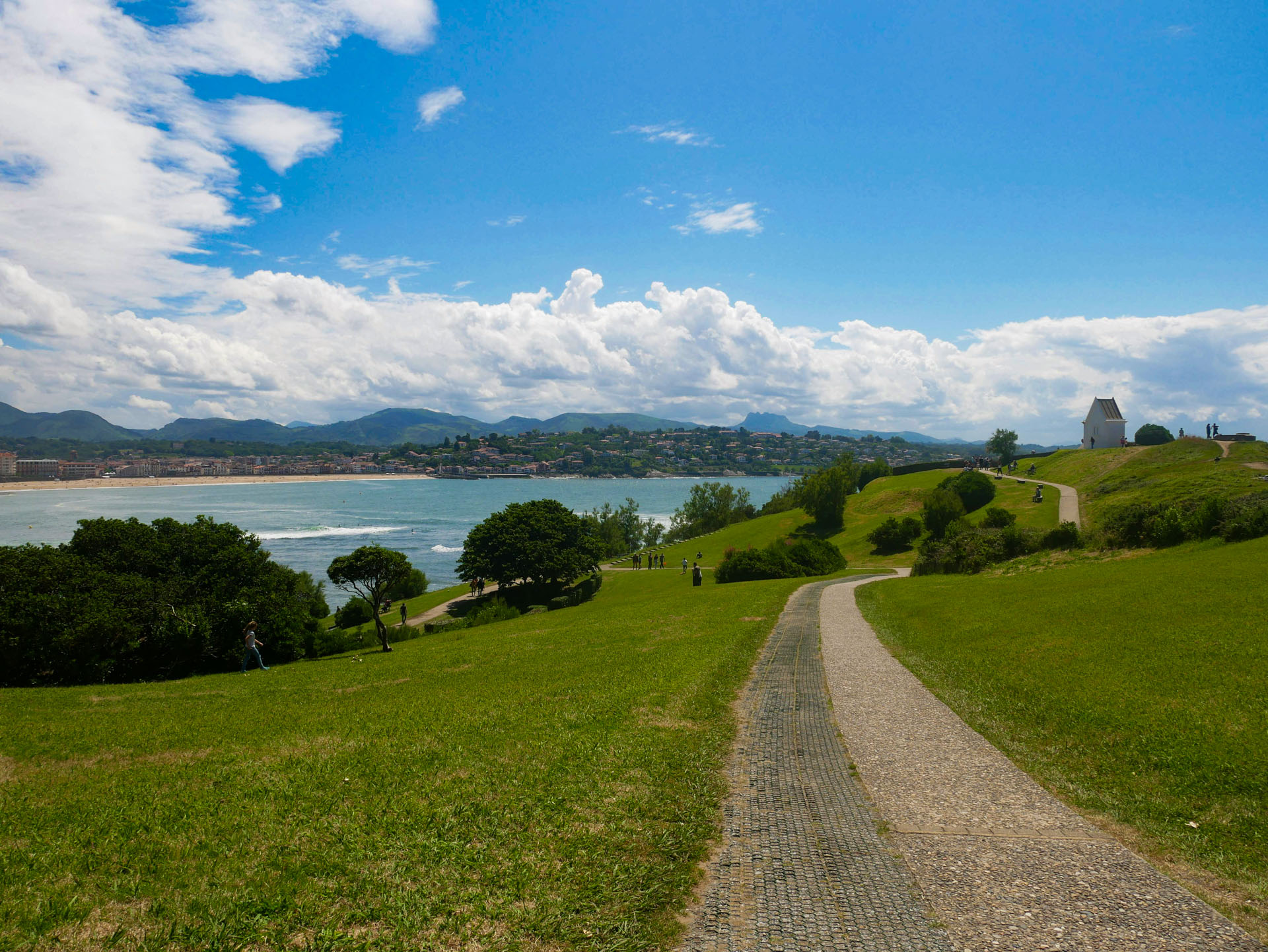
For an exceptional panorama over the bay, head to Pointe Sainte-Barbe. This promontory offers a breathtaking view of the ocean, the Socoa fort and the mountains. It’s the starting point for the coastal path, which follows the shoreline towards Guéthary or Hendaye along the spectacular Basque Corniche. A must-do family walk, ideally at sunset.
The Grande Plage and surrounding beaches
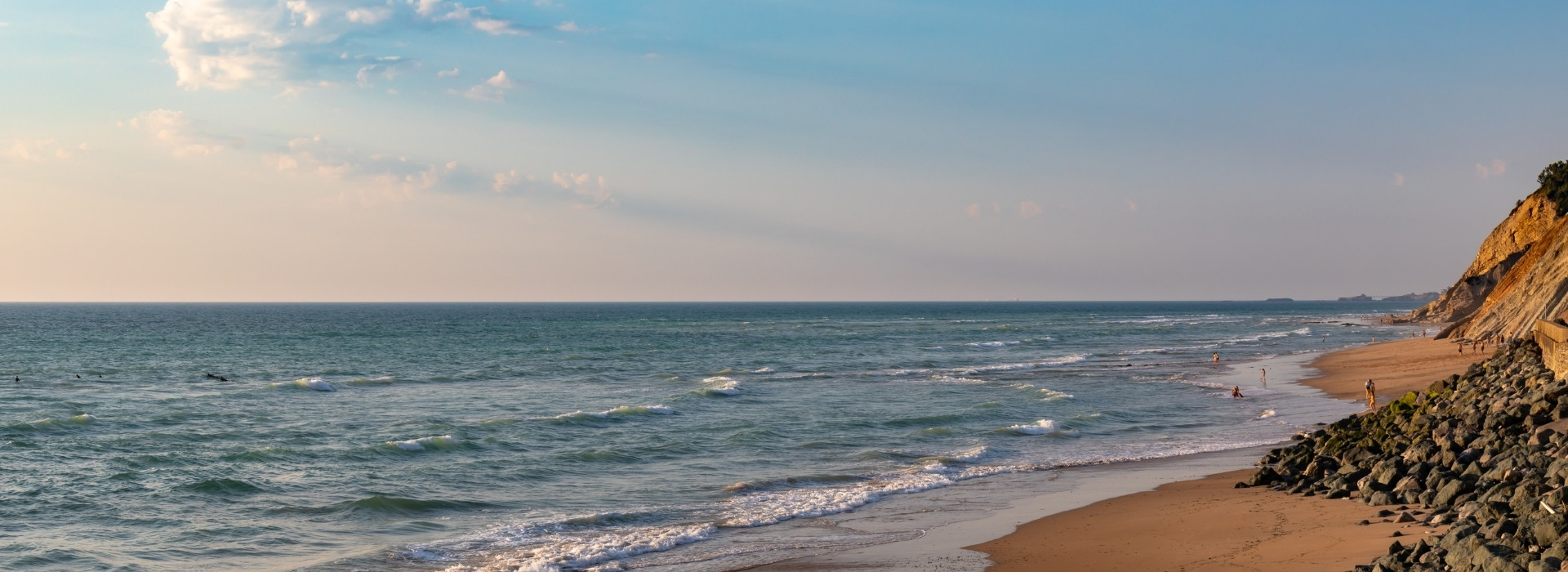
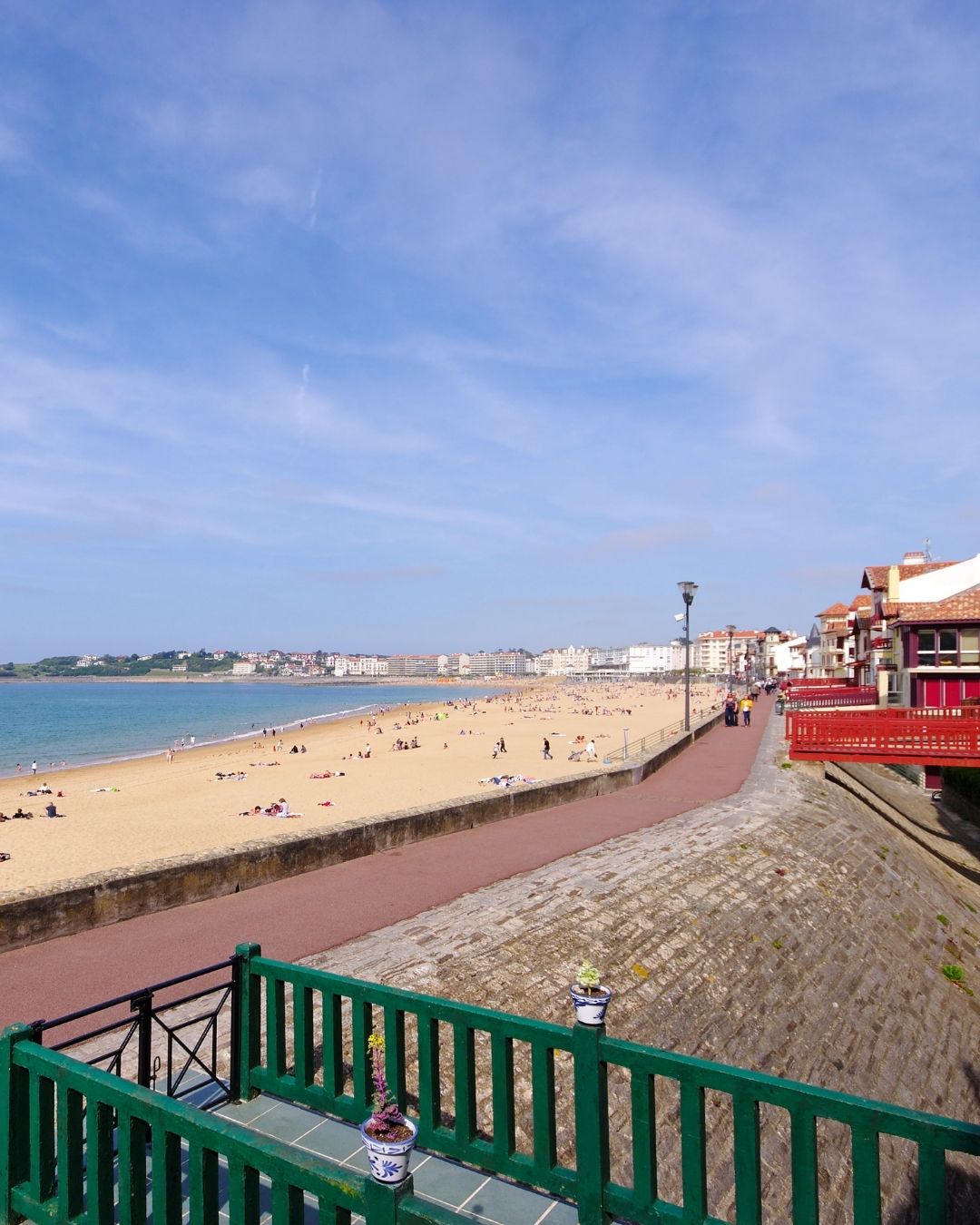
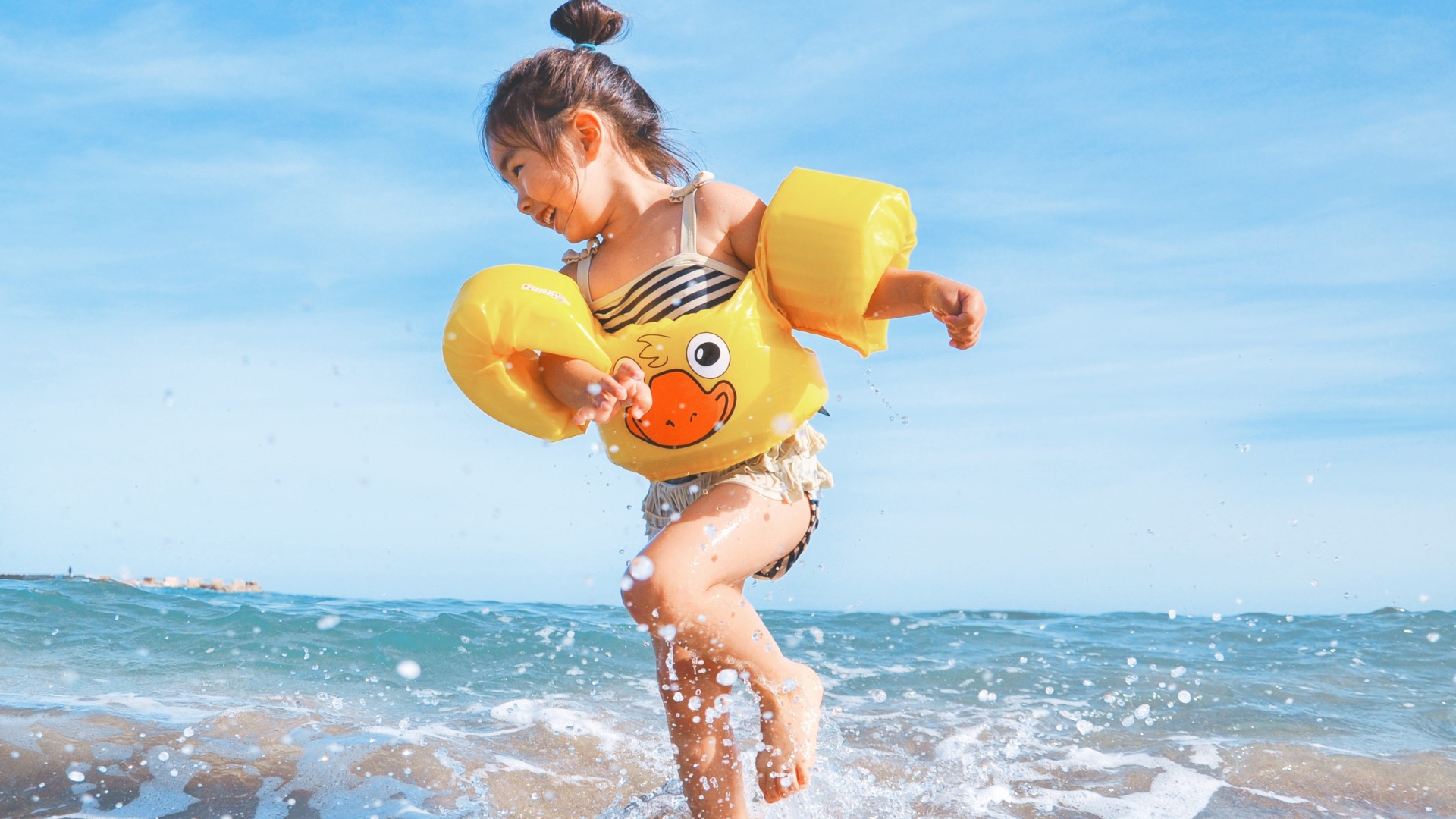
Saint-Jean-de-Luz’s Grande Plage is one of the few sheltered beaches on the Basque coast, thanks to the breakwaters that close off the bay. With its fine sand and relatively calm waters, it’s especially well suited to families with children. Just minutes from the campsite, the beaches of Mayarco, Lafitenia, Cenitz and Erromardie offer a wilder feel, loved by surfers and nature lovers alike. All are accessible on foot, by bike or by bus.
Downtown and rue Gambetta
Stroll through the pedestrian lanes of the historic centre, lined with shops, artisan workshops and typical Basque houses. Rue Gambetta and Rue de la République are the main thoroughfares, where you can pick up local produce, clothing, crafts and Basque Country souvenirs. Tapas bars, cafés and sunny terraces invite you to soak up the lively, laid-back atmosphere that makes Saint-Jean-de-Luz so charming. There’s no shortage of things to do in Saint-Jean-de-Luz: shopping, markets, tastings, Basque pelota shows… there’s something for everyone!
To discover the full range of activities and events, visit the Saint-Jean-de-Luz Tourist Office website.