


Ainhoa autrement
 Campsite near the village of Ainhoa
 Campsite near the village of Ainhoa
From our campsite in the Basque Country, Ainhoa can be reached in about thirty minutes. This traditional Basque village, perched in a vast verdant setting just a stone’s throw from the Navarre border, is one of the “Most Beautiful Villages in France.” Tourism in Ainhoa attracts visitors every year who come to admire one of the most remarkable examples of Labourdin architecture and discover a heritage preserved through the centuries.
Discover the history and nature of Ainhoa 30 minutes from the campsite
Here you’ll find the classic village with its pediment, town hall, church and half-timbered Labourdin-style dwellings. Founded in the 13th century by Premonstratensian monks, this bastide-street was designed to welcome pilgrims on the Way of St. James. This hospitable vocation has shaped the village’s identity and remains inscribed in its stones.
Remarkably well-preserved architecture
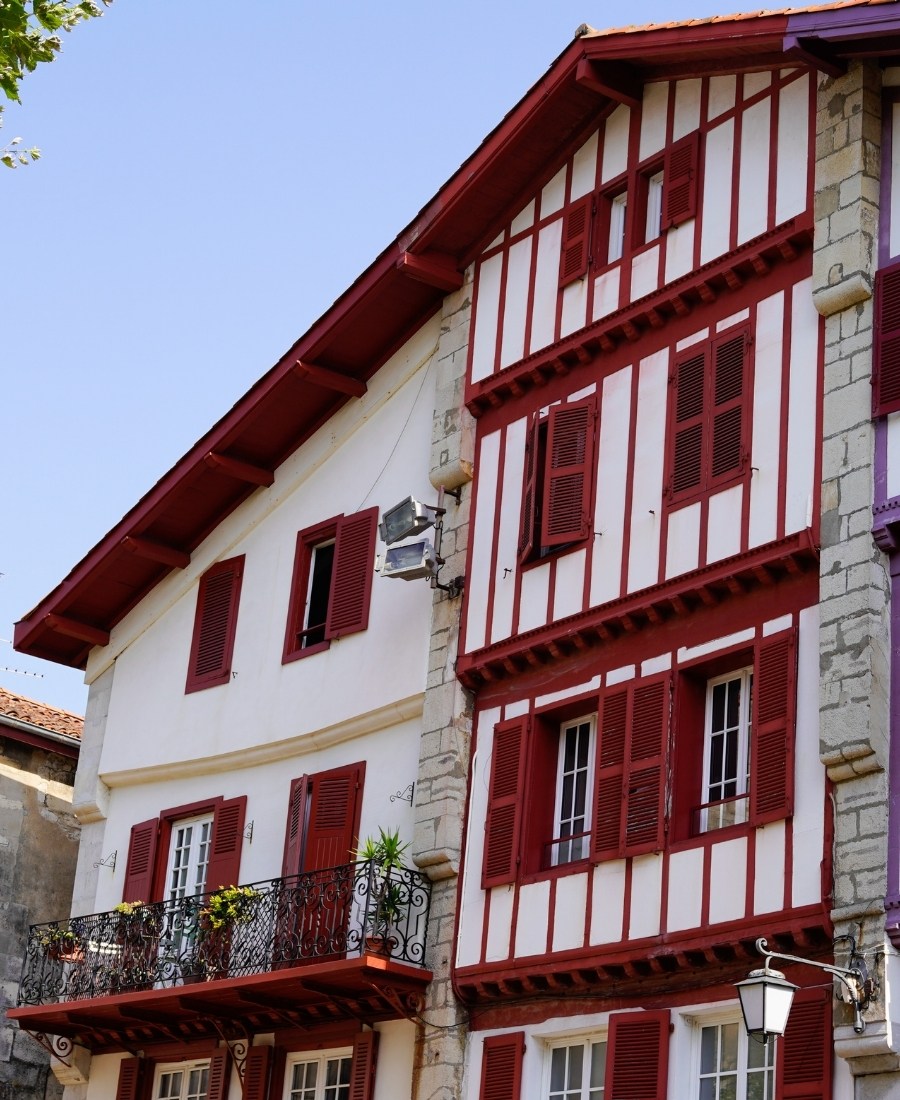
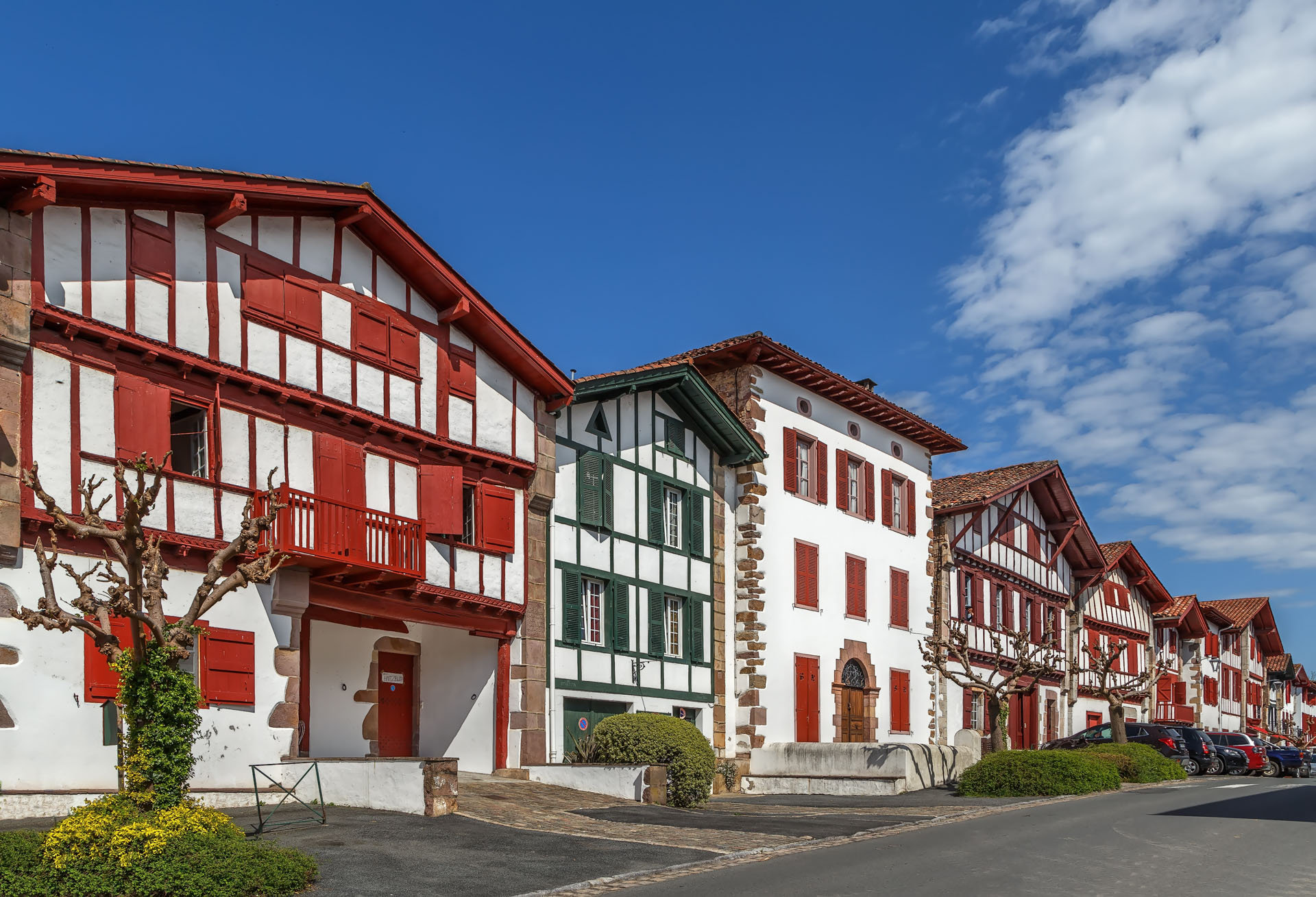
Visiting Ainhoa means walking along a single main street that looks like an open-air museum. The traditional Basque houses of the 17th century align their white facades enhanced by oxblood red or dark green half-timbering, perfectly identical with a few exceptions. Look closely: among these harmonious dwellings, a house with light blue shutters and another with black half-timbering stand out from the rest, like charming intruders.
Observing the facades more closely, you will notice the inscriptions engraved above the entrance doors. These carved lintels indicate the name of the house, the date of construction, and sometimes the profession of its first occupants, precious testimonies to the history of each home. Numerous bastides, very fashionable when they were built in the 13th century, were erected side by side in the town center. The purpose of these imposing houses was to offer a roof to pilgrims on their way to Santiago de Compostela. Today, they are an important part of the town’s heritage.
Religious heritage and Maison du Patrimoine
Notre-Dame de l’Assomption Church reveals all the charm of the Labourdin style. Typical of Basque churches, it features carved wooden galleries surrounding the single nave. Don’t miss the choir, which houses a sumptuous gilded wooden altarpiece with Spanish influences. The choir lighting and music (traditional Basque songs) operate with a one-euro coin: an original way to highlight the mural paintings and furniture in a moving atmosphere. You can also admire the stained glass windows of the choir where Mary faces her son Jesus.
The cemetery surrounding the church houses discoidal steles carved with symbols and geometric shapes, characteristic of the Basque funerary tradition. These round stones adorned with solar motifs, crosses, and interlacing patterns bear witness to a centuries-old culture.
Right next to the town hall, the Ainhoa Heritage House will reveal many secrets about the history of the place. This immersive exhibition and a twenty-minute panoramic film plunge you into the heart of the history of Ainhoa and its border territory. An experience that brings the landscapes of the Xareta valley to life. Entry is €3, a small price to discover Ainhoa and its secrets. The tourist office also offers fun quizzes for families, with a gift for each participant at the end of the trail.
Notre-Dame de l’Aubépine chapel
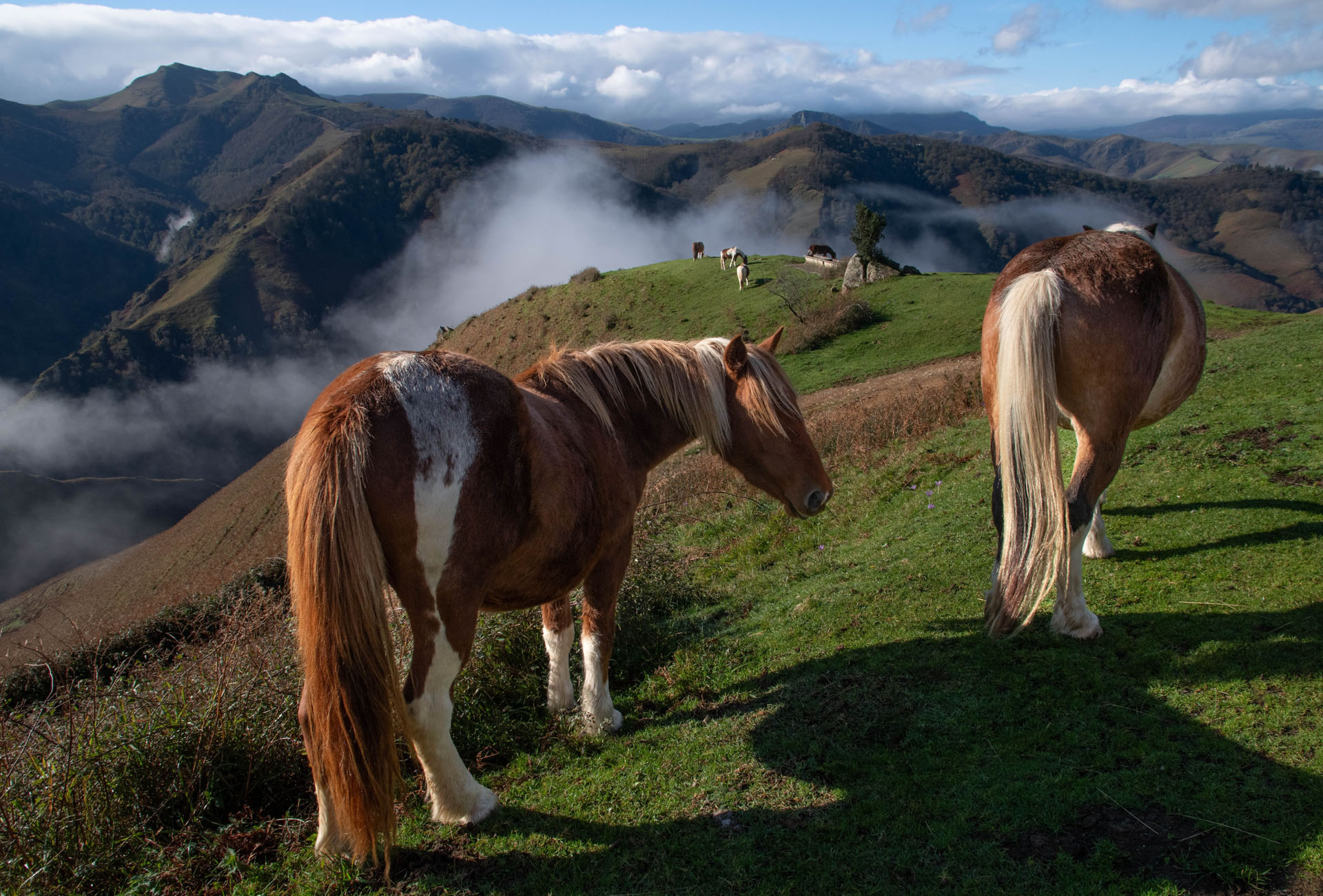
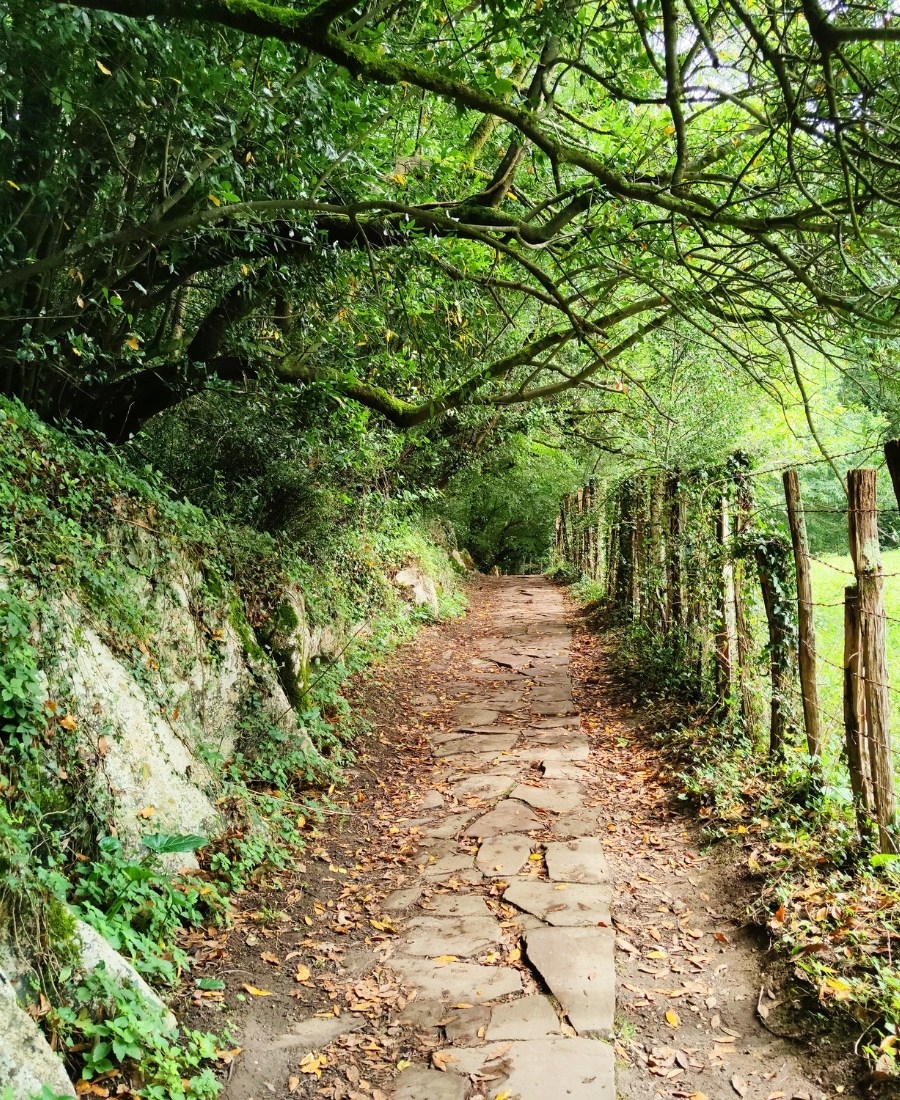
Perched at 389 meters on Mount Atsulai, the Notre-Dame de l’Aubépine chapel (Aranzazu in Basque) is well worth the beautiful walk. A stony path from the village, punctuated by a Way of the Cross, leads to the summit in about 45 minutes of walking. At the top, reproductions of Basque steles punctuate the landscape with the Xareta cirque and the Nivelle valley as a backdrop. The panorama of the Pyrenees mountains amply rewards the effort of the climb.
A hike named “Bistaeder” (8.6 km) allows you to explore the surroundings more widely and admire the verdant landscapes for which the village is famous.
The Xareta valley and surrounding area
Take advantage of your visit to Ainhoa to discover the villages that make up the Xareta valley. In addition to Ainhoa, three localities situated on either side of the border form this valley: Sare, as well as the Navarrese communes of Urdax and Zugarramurdi. A hotspot for smuggling for centuries, Basques crossed the border to move goods: alcohol, tobacco, food, animals… This border history has woven lasting links between the villages on both sides of the border.
Ainhoa is also located on the Way of St. James. Today’s pilgrims continue to pass through the village, perpetuating an eight-century-old tradition.
Hiking and nature
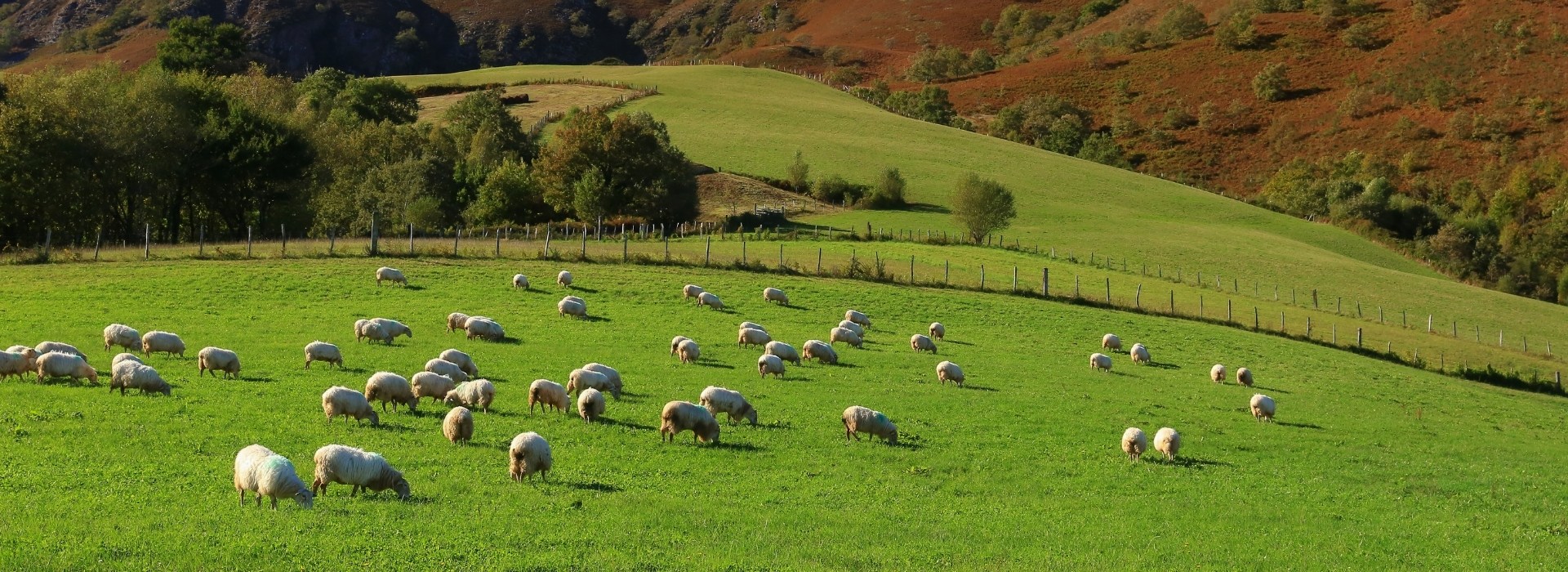
Walkers and hikers will be delighted to use the footpaths and cycle paths around Ainhoa. The commune extends over 431 hectares of forest where you will move through a hilly and mountainous setting, observing a particularly rich fauna and flora.
Numerous historical remains bear witness to the significant activity that took place in this commune several centuries ago. The Ainhoa washhouse is a good example. Now surrounded by greenery, it was an essential part of the village’s communal life.
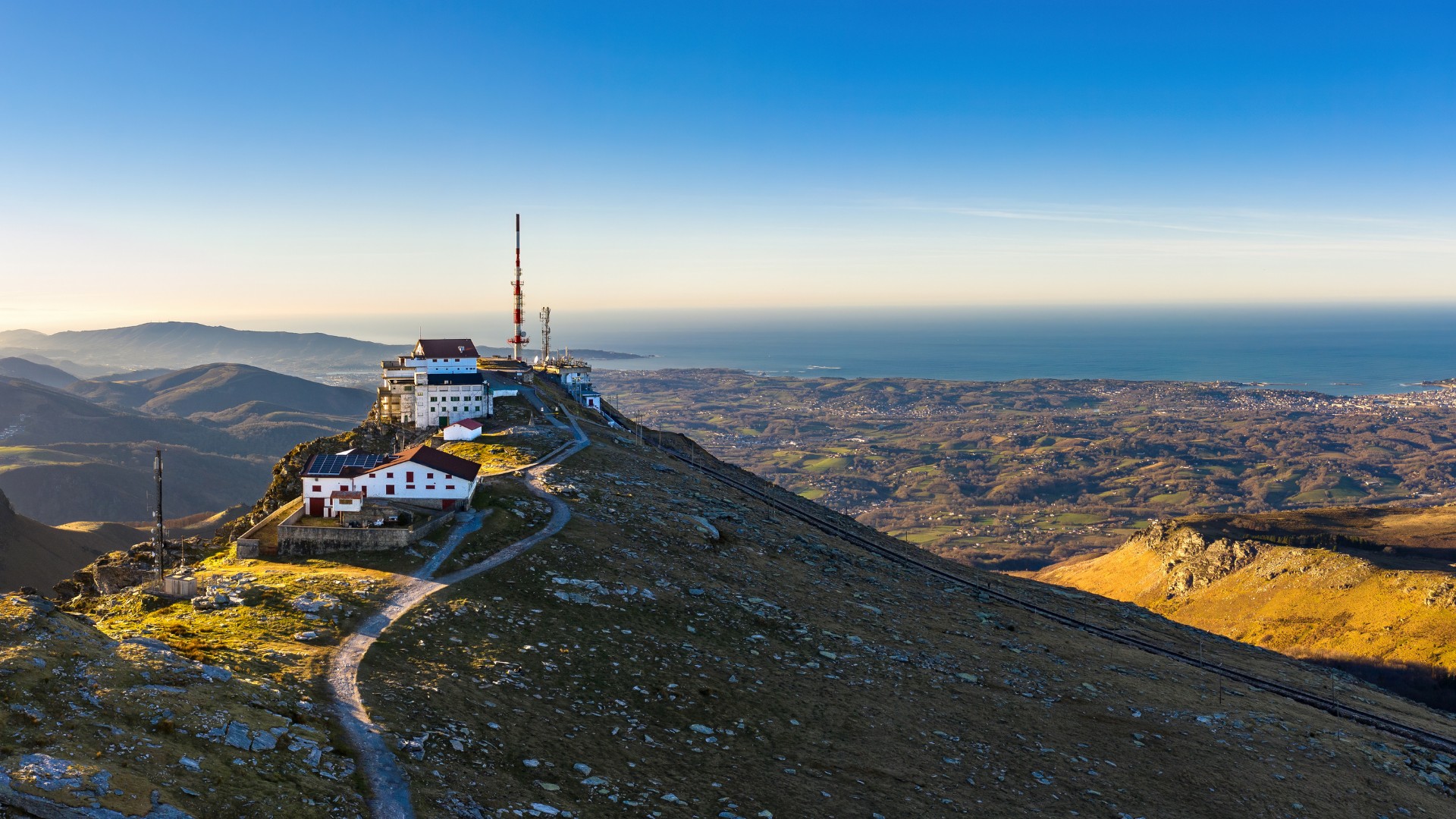
Not far from Ainhoa, you will find Sare, La Rhune, Espelette, Arcangues… All of Basque culture is concentrated in this inland region where each village has its own character and traditions.
Recommended places and accommodation
A dynamic and attractive village during the summer season, Ainhoa remains just as charming and welcoming the rest of the year. The natural setting, between mountains and pastures, is seductive from the moment you arrive. Shops, restaurants and hotels offer everything you need for a pleasant stay.
Among the remarkable addresses, former 17th-century coaching inns have been transformed into charming hotels combining the history and architecture of the Basque Country with modernity. The restaurants offer traditional cuisine based on fresh, local produce, often with a terrace offering a view of Mount Atsulai.
Discover also