


Basque fragrance
 Espelette, a village in the Basque Country
near the campsite
 Espelette, a village in the Basque Country
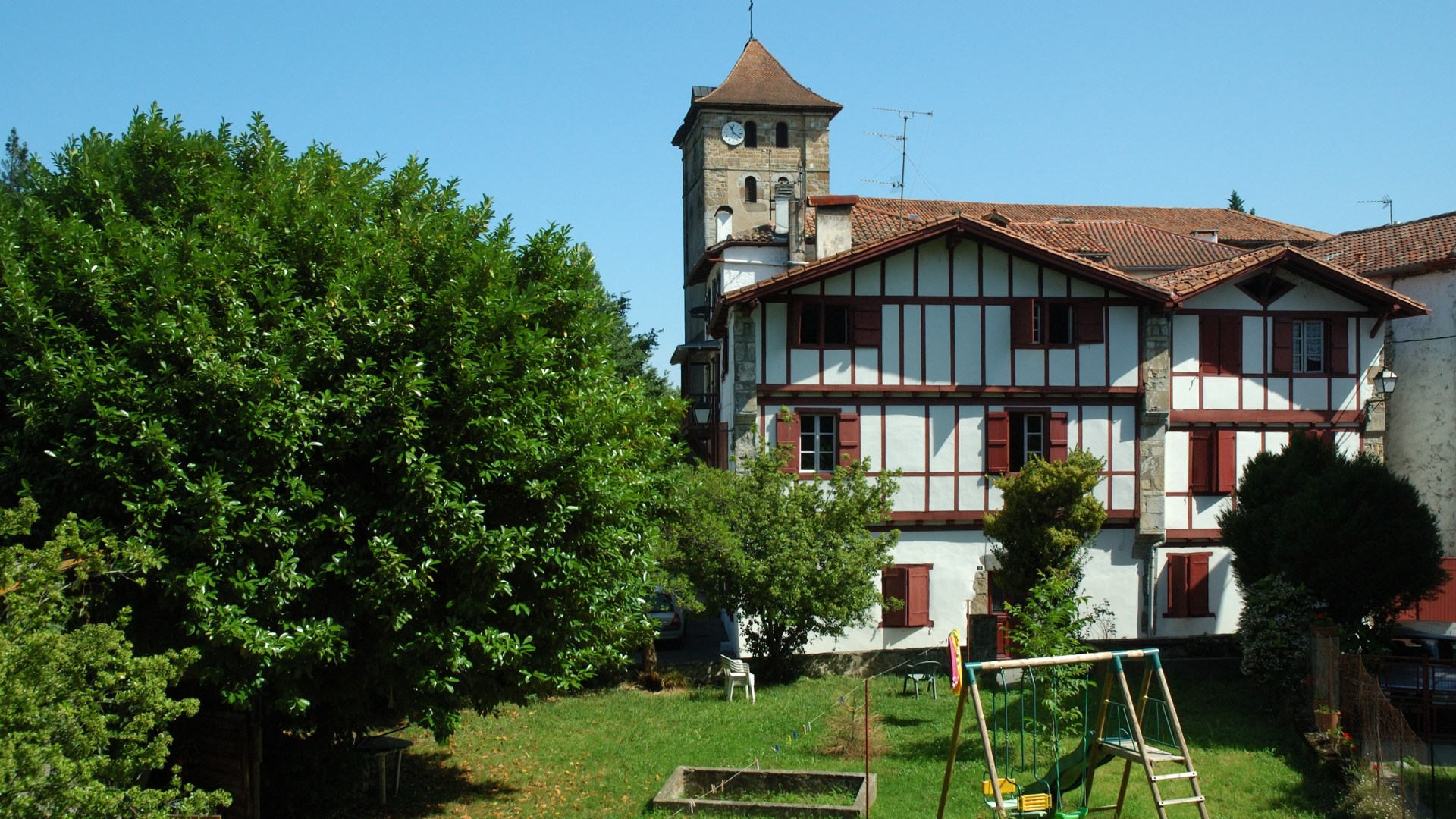
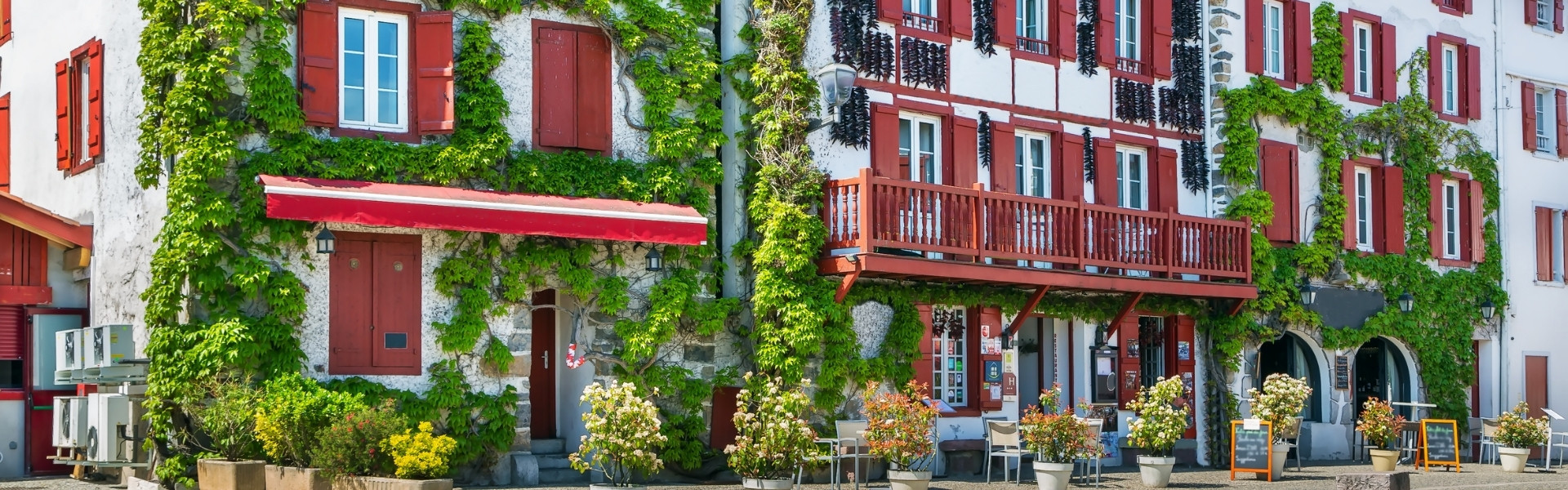
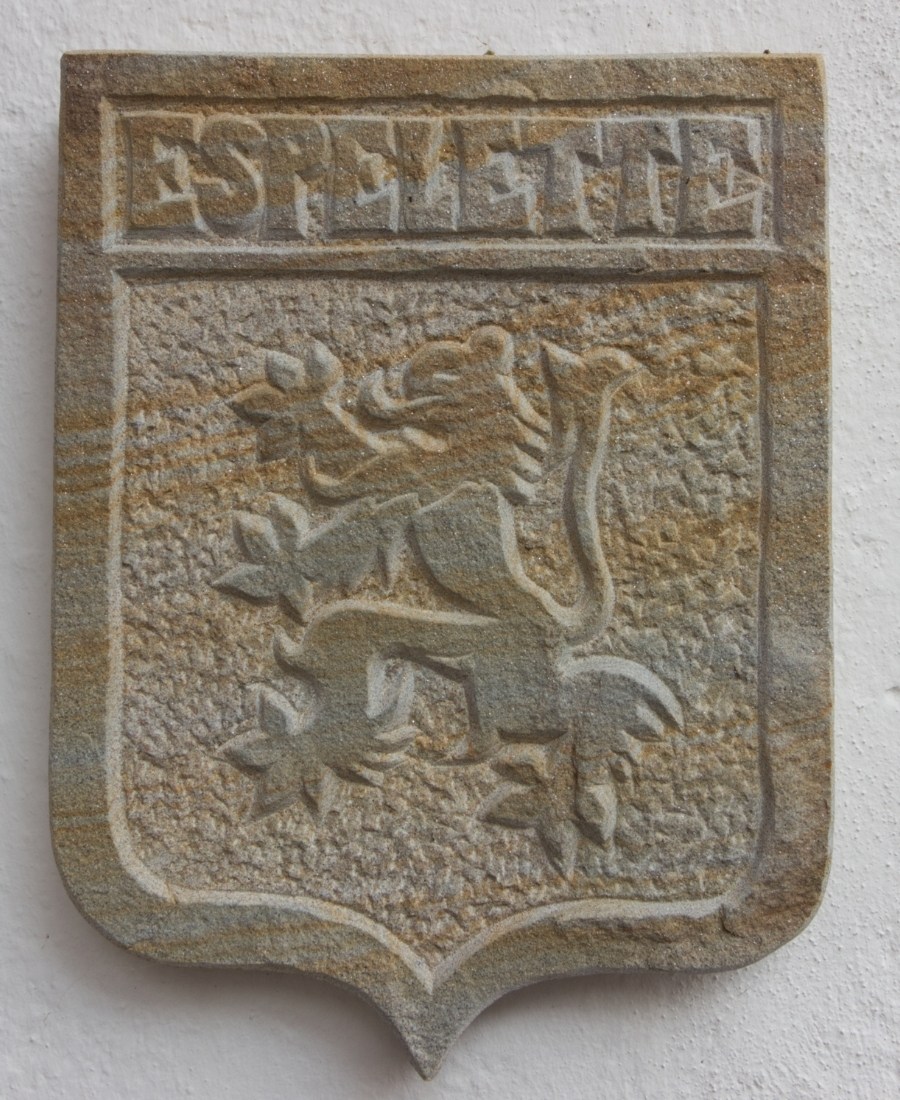
30 minutes from our Basque Country campsite, discover Espelette by venturing inland. This charming commune in the Nivelle valley has all the appeal of a traditional Basque village: a fronton, Labourd-style houses with white façades accented by red or green half-timbering, and a picturesque town center perfect for strolling. Tourism in Espelette attracts thousands of visitors every year to discover this village, world-famous for its celebrated chilli pepper.
Symbol of Basque culture and gastronomy
Founded by the noble Ezpeleta family, whose castle still dominates the town center, Espelette truly represents the Basque village as one might imagine it. The sunny, warm atmosphere invites you to take your time, sitting outside on one of the café terraces or enjoying lunch in the traditional restaurants.
Espelette pepper, a spice from America
The Espelette chilli pepper (Ezpeletako Biperra in Basque) is undoubtedly the village’s gastronomic emblem. Introduced to the Basque country in the XVIᵉ century by Spanish explorers returning from the Americas, this pepper quickly became an essential ingredient in local cuisine. The first mention of a pimento in Espelette dates back to 1650. Women began growing it as a substitute for pepper, which was too expensive at the time.
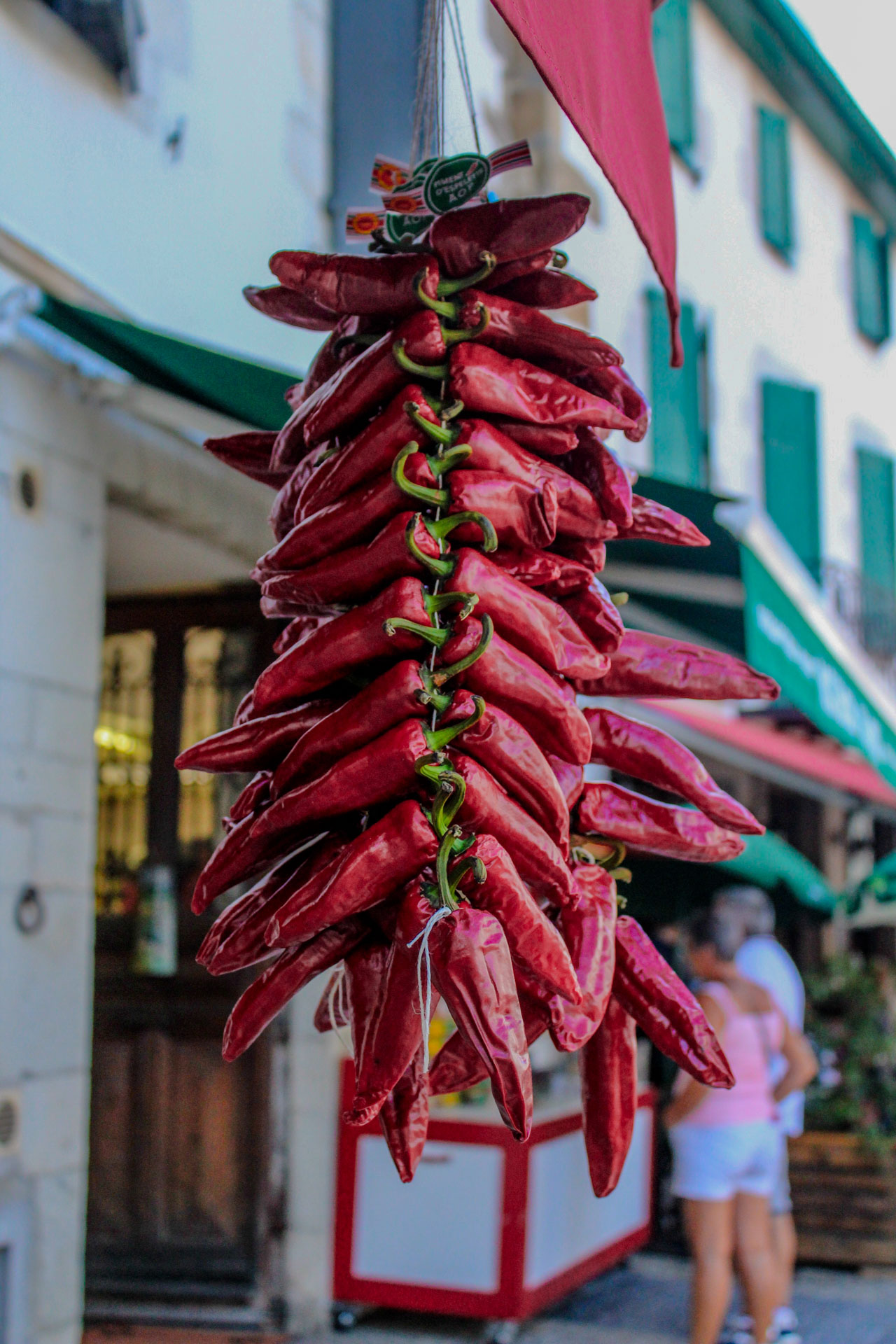
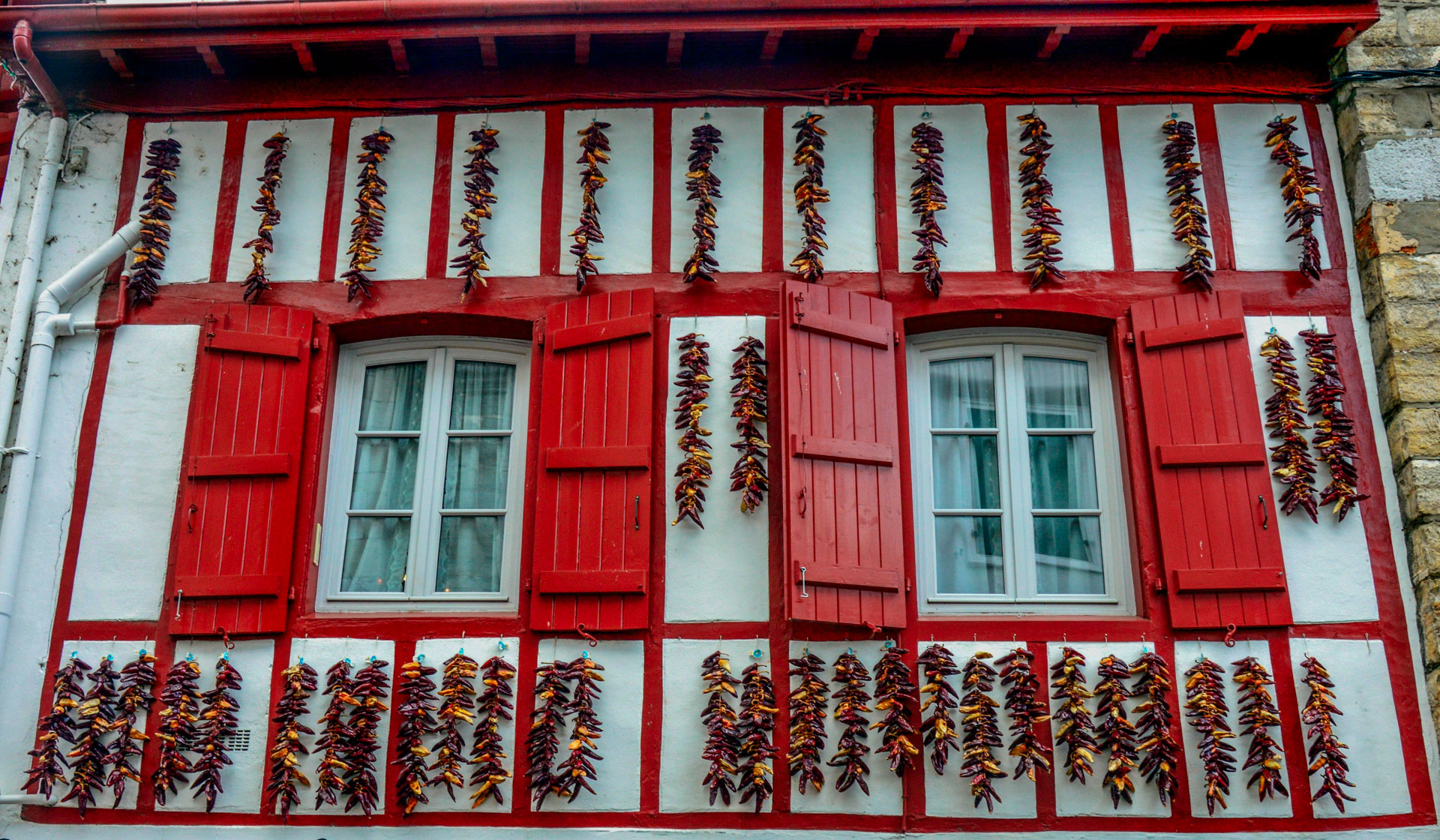
A visit to Espelette means discovering this condiment in all its forms. From late summer onwards, the façades of the houses are adorned with garlands of red peppers left to dry in the sun, offering a colorful spectacle. This tradition, both aesthetic and practical, lends the village a unique charm. Chillies come in three forms: whole and fresh, in ropes of 20 to 100 chillies, or ground into a powder to spice up any dish.
Mild and fruity, Espelette pepper can replace black pepper and delicately colors dishes without masking flavors. Very low in calories, it is also an antioxidant rich in vitamin C. Since 2000, it has held a Protected Designation of Origin (PDO), the only French spice to hold this label. The production area extends across ten communes: Espelette, Ainhoa, Cambo-les-Bains, Itxassou, Halsou, Larressore, Saint-Pée-sur-Nivelle, Souraïde, Ustaritz and Jatxou. More than two hundred producers cultivate this spice, which has become the flagship product of the Basque Country.
To discover Espelette and the secrets of the pepper, don’t miss the Pepper Interpretation Centre (Etxea), located in the heart of the village. This venue presents the origins of the spice, its terroir, its life cycle and the work of the men and women who cultivate it.
Heritage and sites to discover
The Château of the Barons of Ezpeleta stands at the center of the village. Built around the year 1000, then rebuilt around 1414 under English rule, it originally comprised a vast enclosure flanked by five towers. Partially destroyed during a villagers’ revolt under the reign of Louis XIII, it was bequeathed to the commune in 1694 by the last descendant of the family. Restored with support from the Heritage Foundation, the building now houses the town hall, the tourist office and exhibition rooms, including one dedicated to Father Armand David, an eminent missionary and naturalist who introduced the panda to the Western world.
A little way from the town center stands the fortified church of Saint-Étienne, built in the XVIIᵉ century. This religious building is distinguished by its typically Basque architecture, its bell-gable and its three levels of carved wooden galleries. Inside, admire the sumptuous baroque altarpiece in gilded wood from the XVIIIᵉ century. The church is surrounded by a tree-lined cemetery where you can observe the disc-shaped steles characteristic of Basque funerary tradition. A small Romanesque bridge completes this picturesque scene.
Don’t miss the Ossau-Iraty PDO Interpretation Centre, located in the heart of the village. This fun and informative visit will teach you more about this emblematic Basque sheep’s cheese, another gastronomic pride of the region.
Market and gourmet specialties
Numerous shops line the streets of Espelette and offer all the variations on the pepper theme, as well as other culinary and artisan specialties of the Basque Country. Sheep’s cheeses, Basque cakes, charcuterie, honey, jams and Espelette pepper chocolates will delight food lovers. The combination of chocolate and pepper, which may seem bold, is actually the oldest: as early as the XVIIᵉ century, chocolate made in Bayonne was already spiced with Espelette pepper!
A large market featuring local producers and craftsmen is held every Wednesday in the village center. It’s an unmissable opportunity to discover local flavors and meet passionate producers. The market is divided into two sections: a food area where you’ll find all the local produce, and a non-food area offering clothes, crafts and souvenirs.
Festivals and events
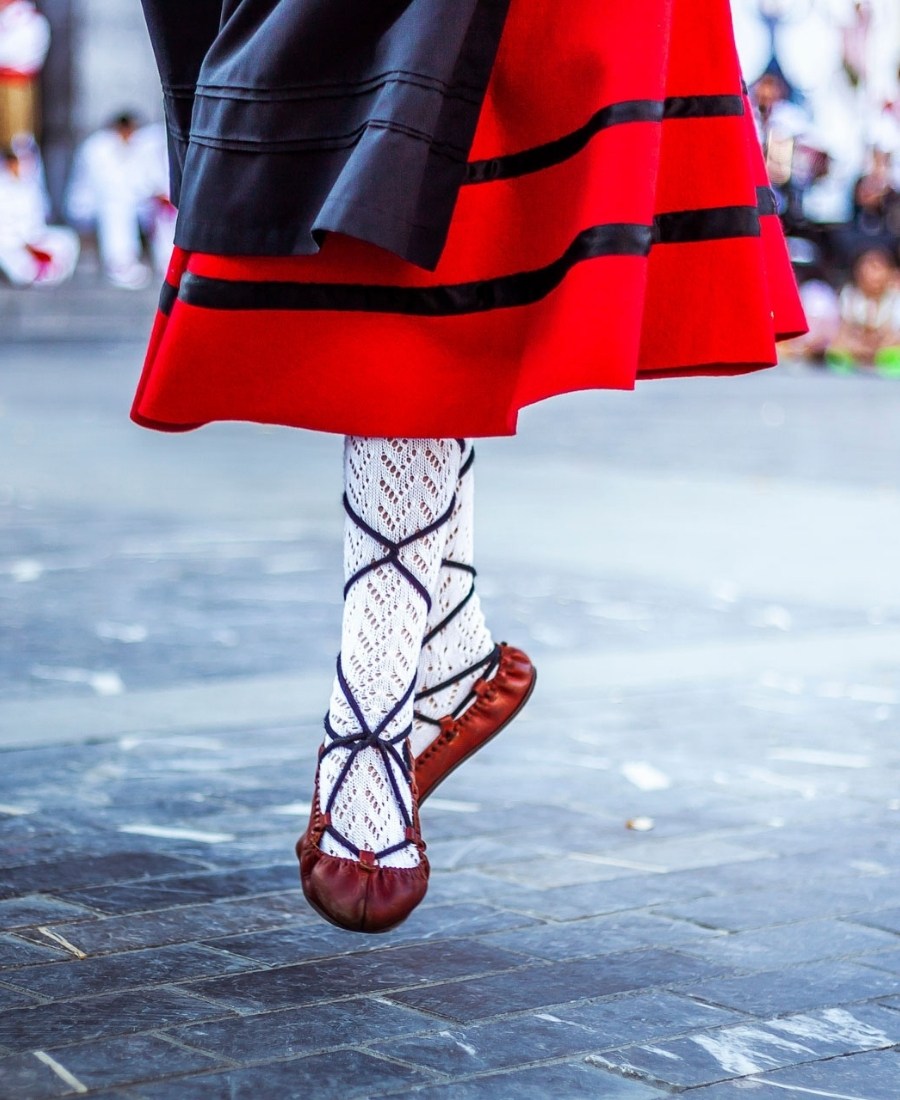
On the last weekend of October, Espelette celebrates the pepper harvest during the Pepper Festival, which has become one of the great festivals of the Basque Country. Thousands of visitors flock to take part in the festivities: Basque dances, men’s choir concerts, lively meals, demonstrations of Basque strength sports and pelota matches. A mass is celebrated at Saint-Étienne church to bless the year’s condiments, a highlight of local tradition.
The village festival takes place in early August, with an equally packed program. Also worth noting are the Gauargi world dance festival and the Crêtes footrace, which attract athletes and the curious alike.
Hiking and nature
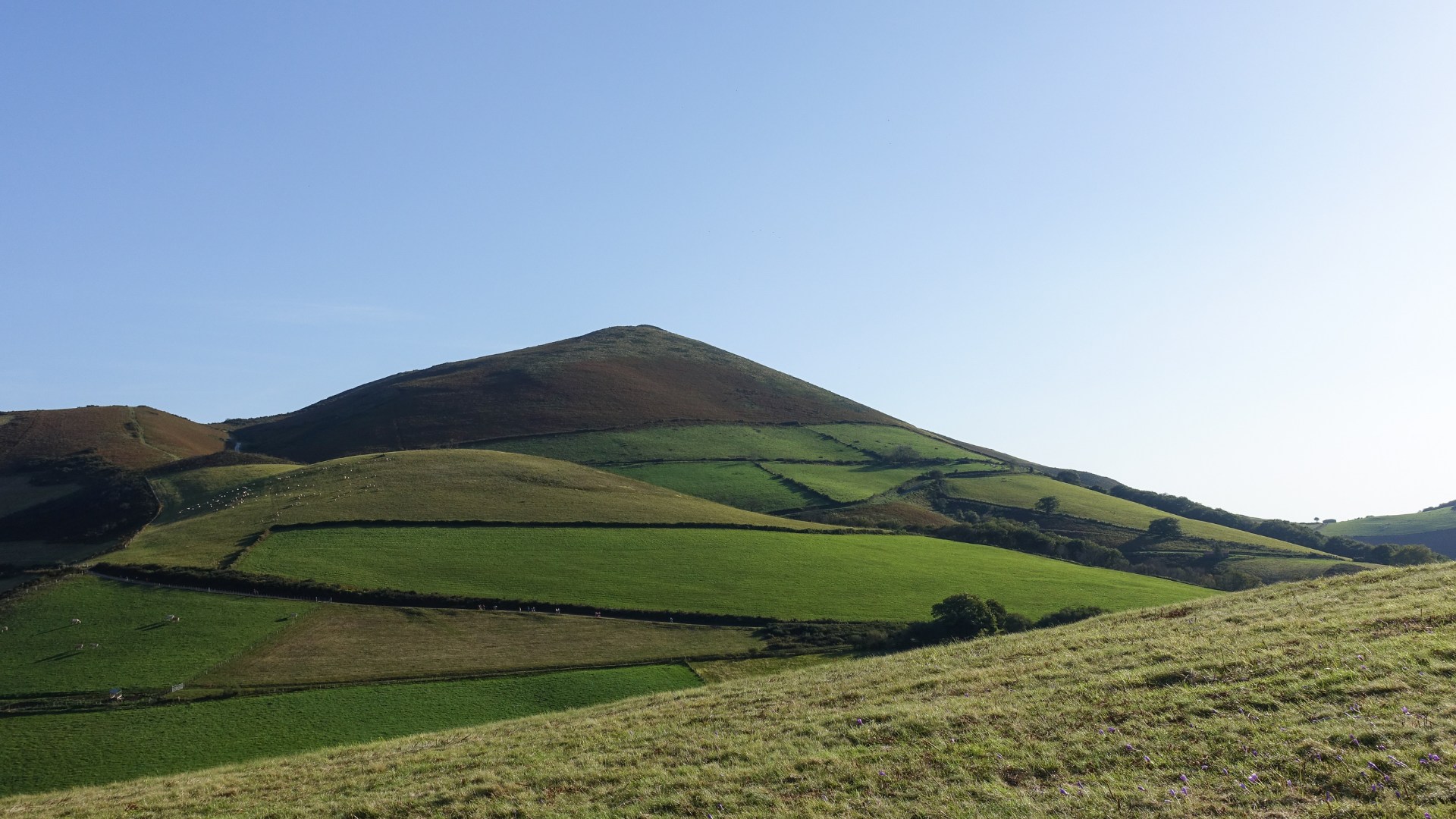
Hiking enthusiasts will find plenty to enjoy around Espelette. The Ursuya mountain, which rises to 678 meters, dominates the village and offers a magnificent viewpoint over the Nivelle valley and the Pyrenees. Easily recognizable by the large rocky outcrops at its summit, it is a renowned hiking destination. Other marked trails allow you to explore the verdant landscapes of the Basque hinterland, between hills and fields of reddening peppers.