


Pintxos and happiness
 Basque Country Gastronomy
 Basque Country Gastronomy
Tasting Basque gastronomy means setting off to discover an exceptional culinary heritage, shaped over the centuries between sea and mountains. From our campsite in the Basque Country, you’re at the heart of a land where every village, every market, every table hides delicious treasures. Sheep’s cheeses, cured meats, Atlantic fish, Espelette pepper, Basque cake, Bayonne chocolate… Basque cuisine is generous, colourful and fragrant, just like its people. Know-how passed down from generation to generation lives on to this day, and many local products benefit from recognised quality labels (AOC, AOP, IGP). To explore the region’s full gastronomic richness, take a look at the Basque Country guide to delights.
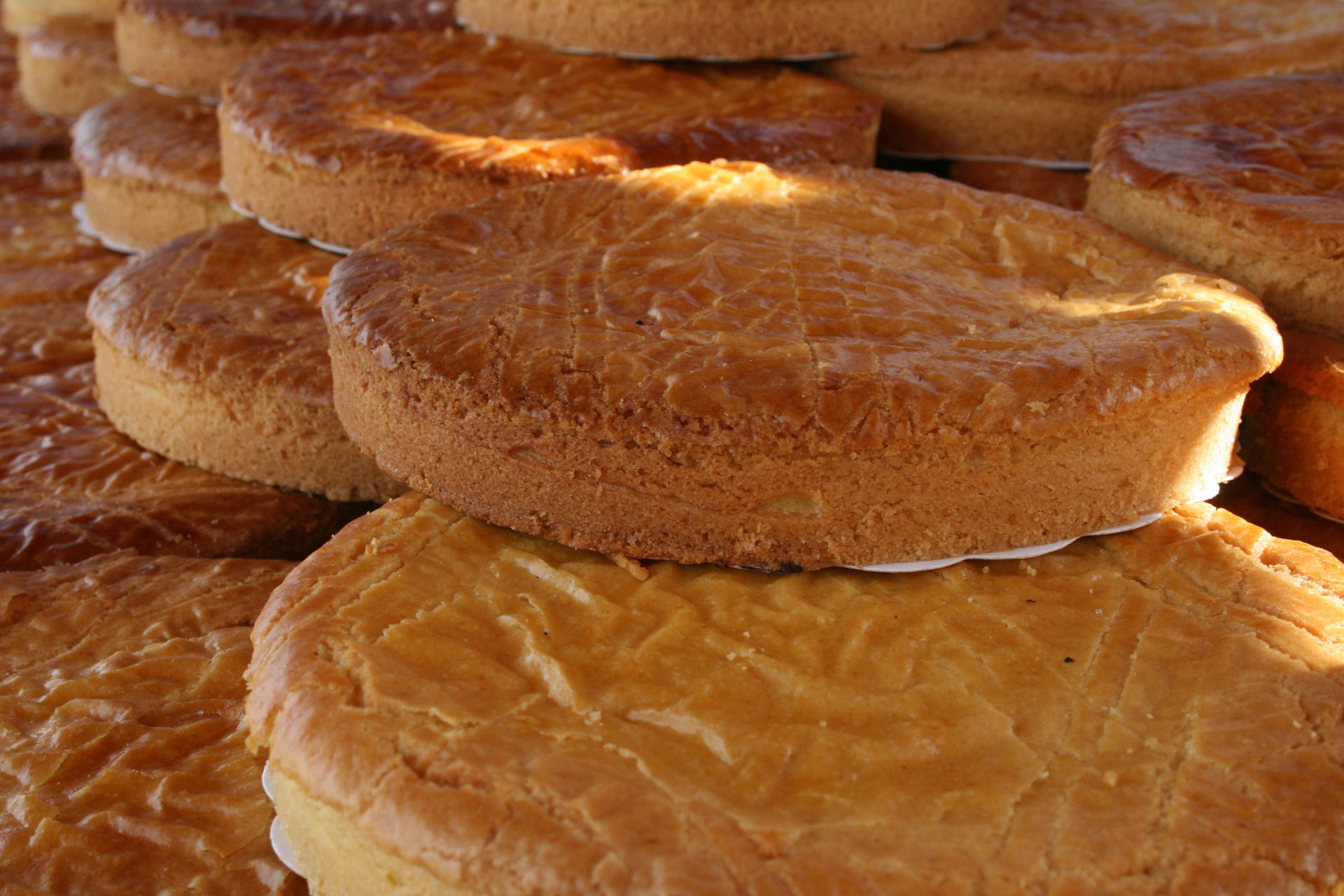
Basque cake
It was in Cambo-les-Bains that this famous pastry was born in the 19th century. Basque cake, or “etxeko bixkotxa” in Basque, is made of two layers of slightly crisp shortcrust pastry enclosing a generous filling. Traditionally filled with almond pastry cream, it also comes with Itxassou black cherry jam. Some chocolate versions are also a treat for food lovers. You’ll find it in all the Basque Country’s bakeries and pastry shops, and every artisan has their secret recipe. Enjoy it with a coffee or a glass of sweet Jurançon!
Bayonne Ham
Bayonne ham is far more than a simple local product: it’s a true gastronomic signature of Southwest France. It comes from the family tradition of the pele-porc, when salting and drying meat helped people through hard times. It takes its name from its historic trade via the port of Bayonne. Today, Bayonne ham holds a Protected Geographical Indication (PGI): it’s made from pigs raised in the Adour basin, salted with Salies-de-Béarn salt, then dried for 7 to 12 months. Its meltingly tender, fragrant, flavourful meat is best enjoyed thinly sliced as a starter, or grilled on a plancha to bring out all its aromas.
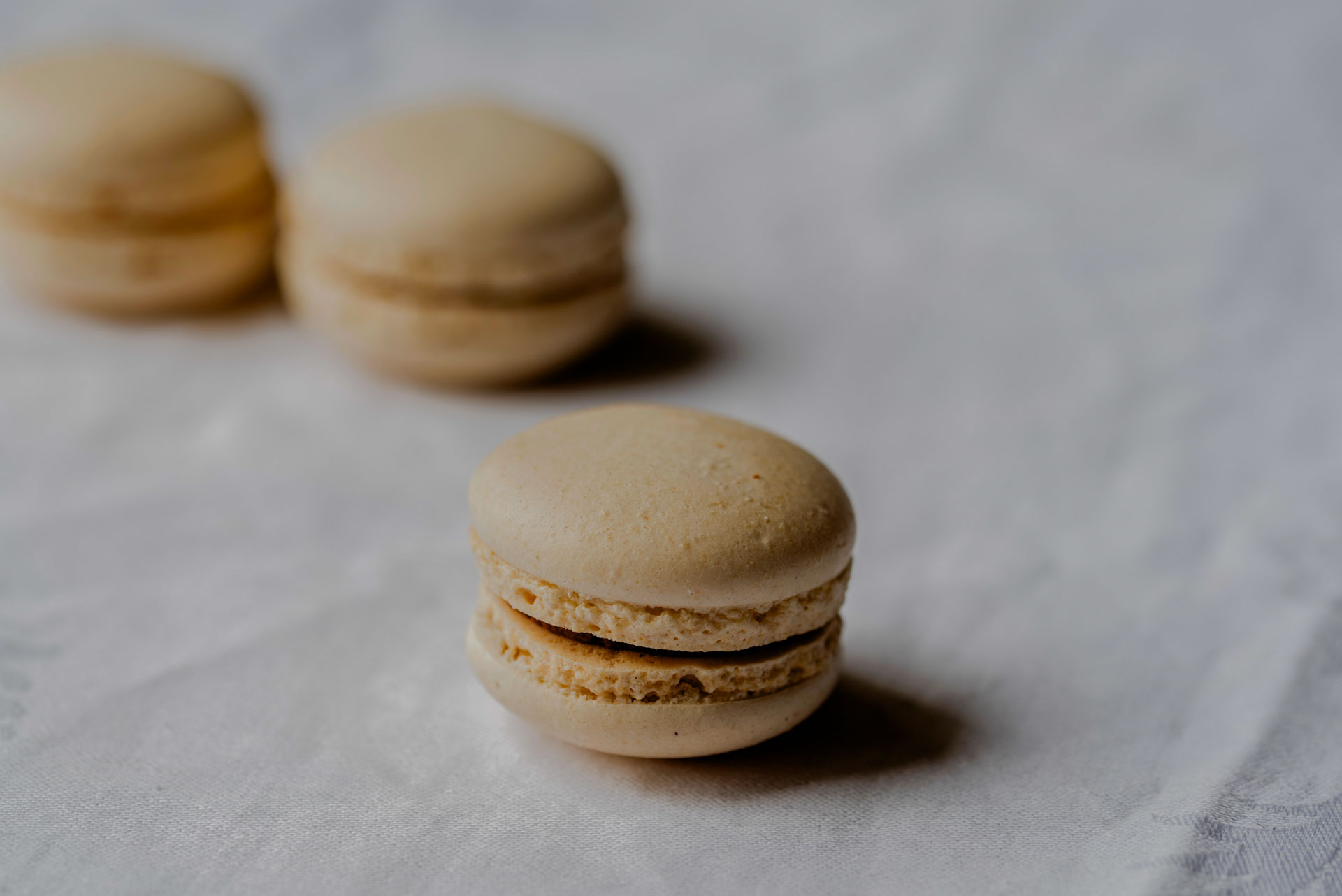
Macaroons
At least two houses vie for the reputation of making the best macarons in the Basque Country: the famous Maison Adam in Saint-Jean-de-Luz, and other artisans across the region. The Basque macaron, with its crisp shell and soft centre, is simple and authentic. Made from whipped egg whites and almond paste, it sometimes comes filled with black cherry jam or walnut cream. A sweet treat to bring home in your suitcase!
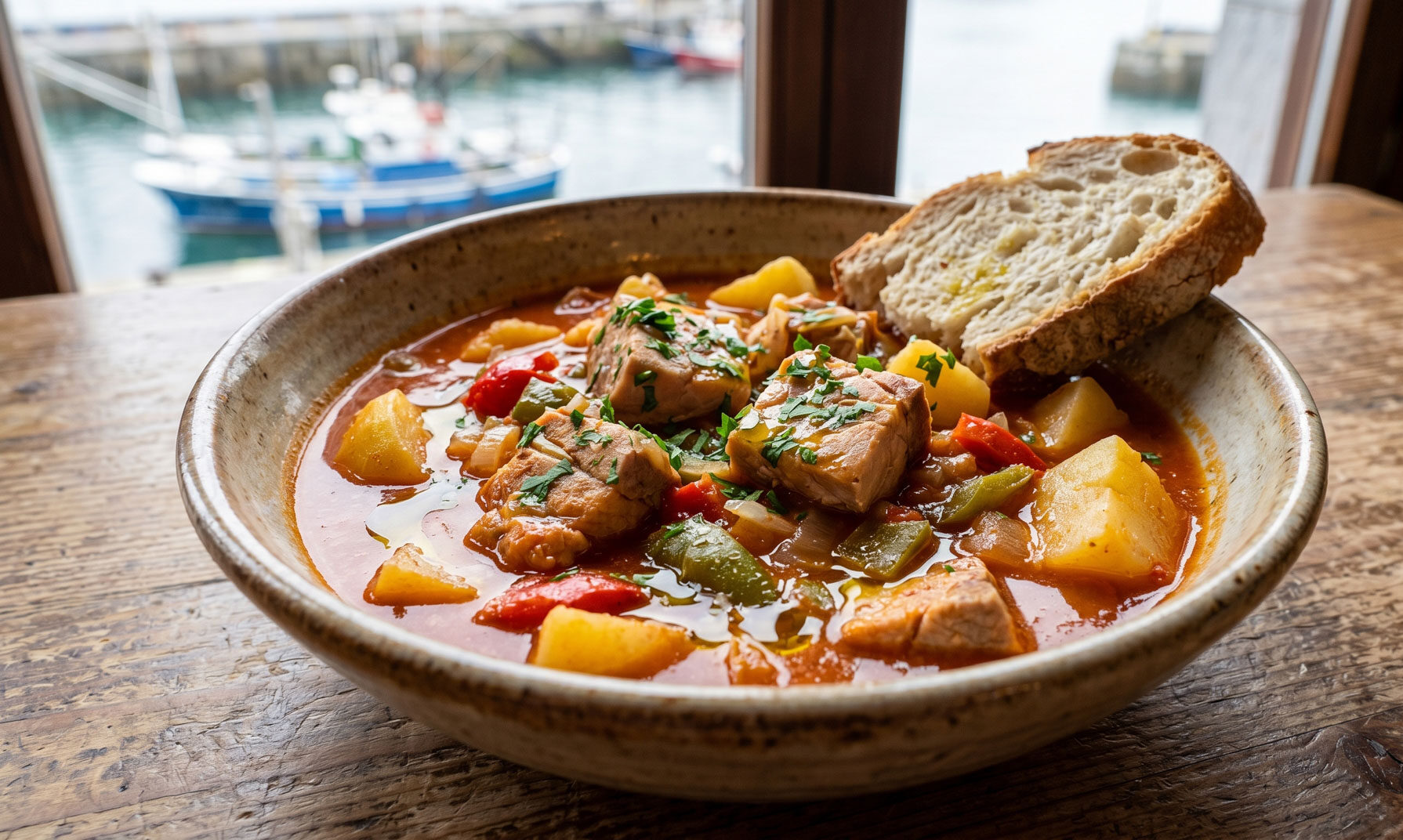
Le Marmitako
Marmitako is the traditional dish of Basque fishermen. In the past, they made it on board when they set off on tuna-fishing trips. This tuna stew with potatoes, onions, peppers and Espelette pepper is a true burst of sea-inspired flavours. In Saint-Jean-de-Luz, it takes centre stage every summer during the tuna festival. The chipirons, Saint-Jean-de-Luz style—small squid cooked in their ink or on the plancha—are another must-try speciality of the Basque coast’s harbours.
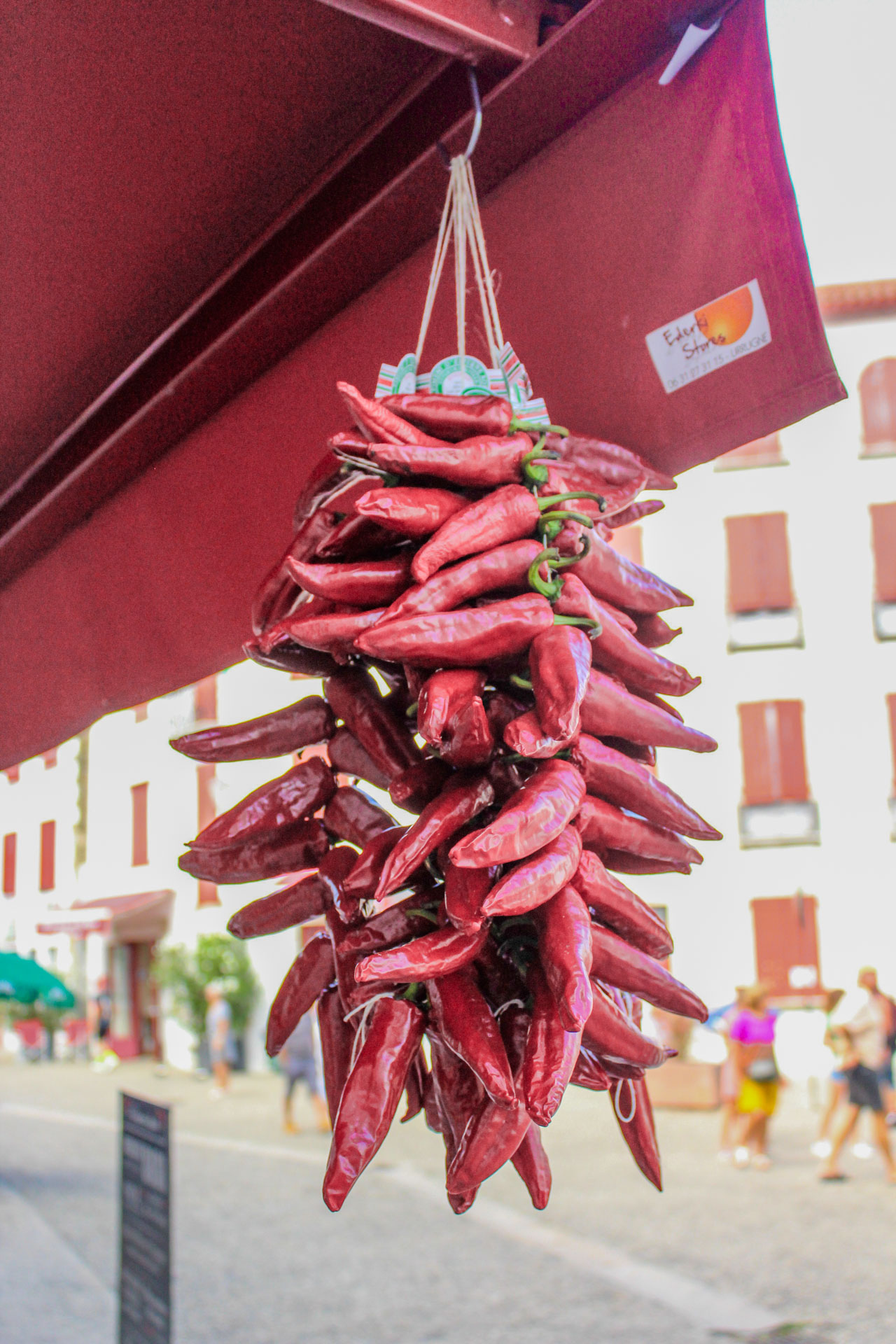
Espelette pepper
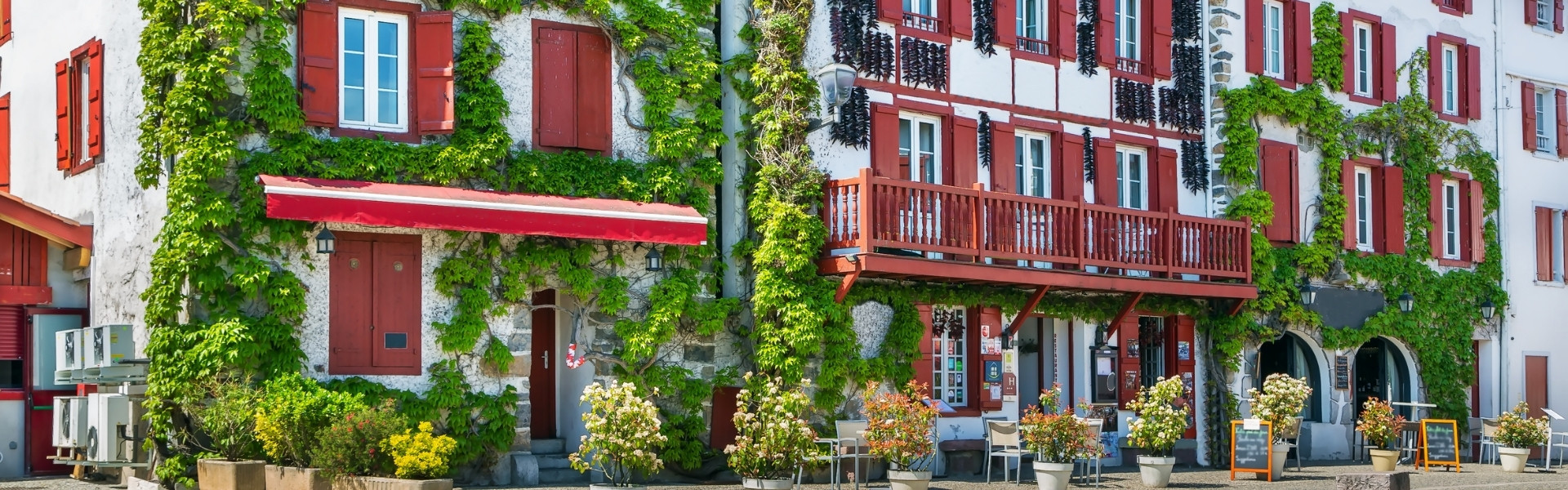
Espelette pepper is a local variety of mild, fragrant chilli, and the only French spice to hold a Protected Designation of Origin (PDO). Introduced to the Basque Country in the 17th century, it found the ideal conditions to thrive in Espelette’s climate. Between August and late November, the façades of the village’s half-timbered houses are dressed with garlands of red peppers drying in the sun, creating a picturesque spectacle. Espelette pepper lifts countless Basque dishes: veal axoa, piperade, Basque-style chicken, and it’s a wonderful substitute for pepper in local cooking.
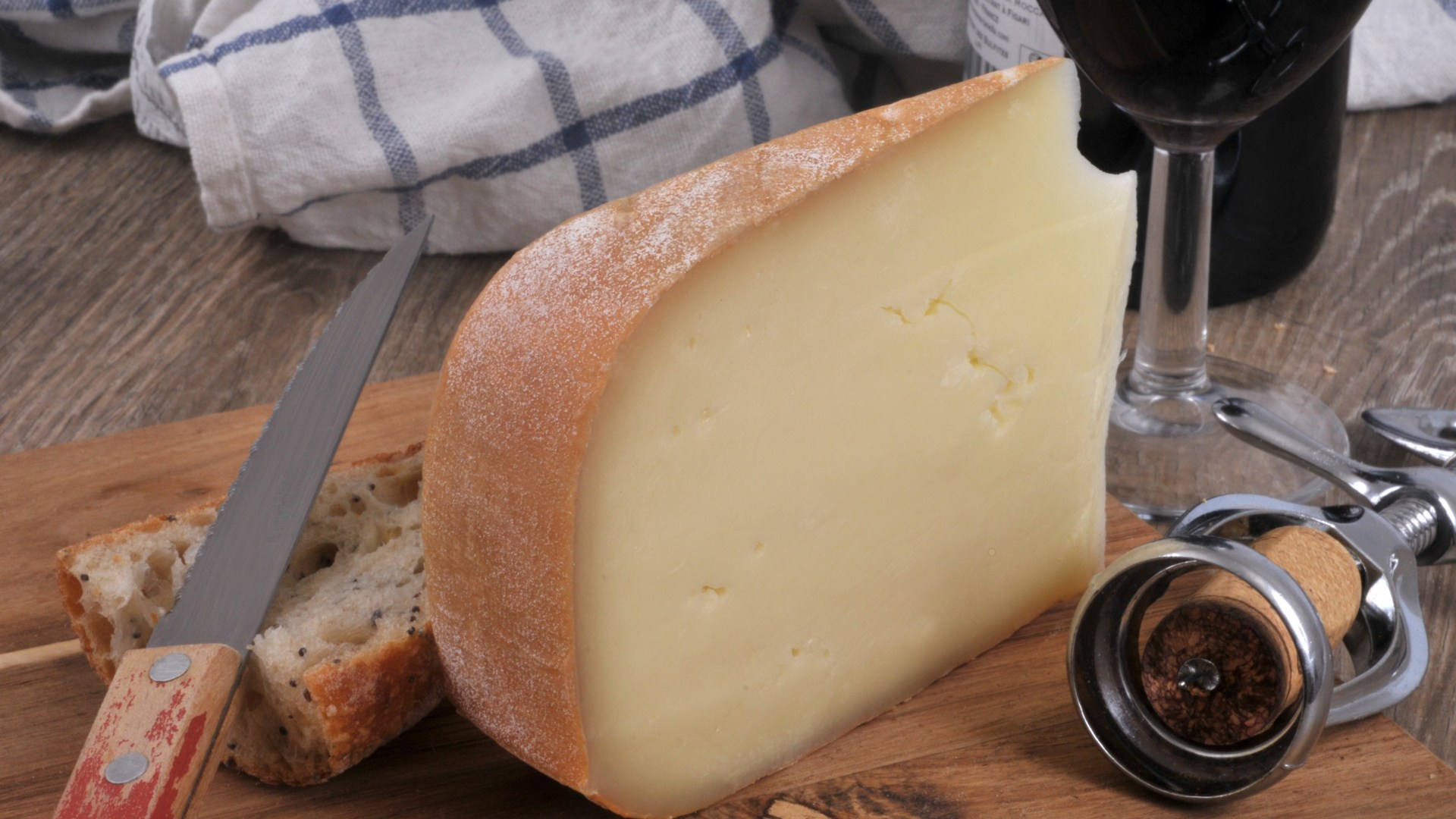
Ossau-Iraty, sheep’s milk cheese
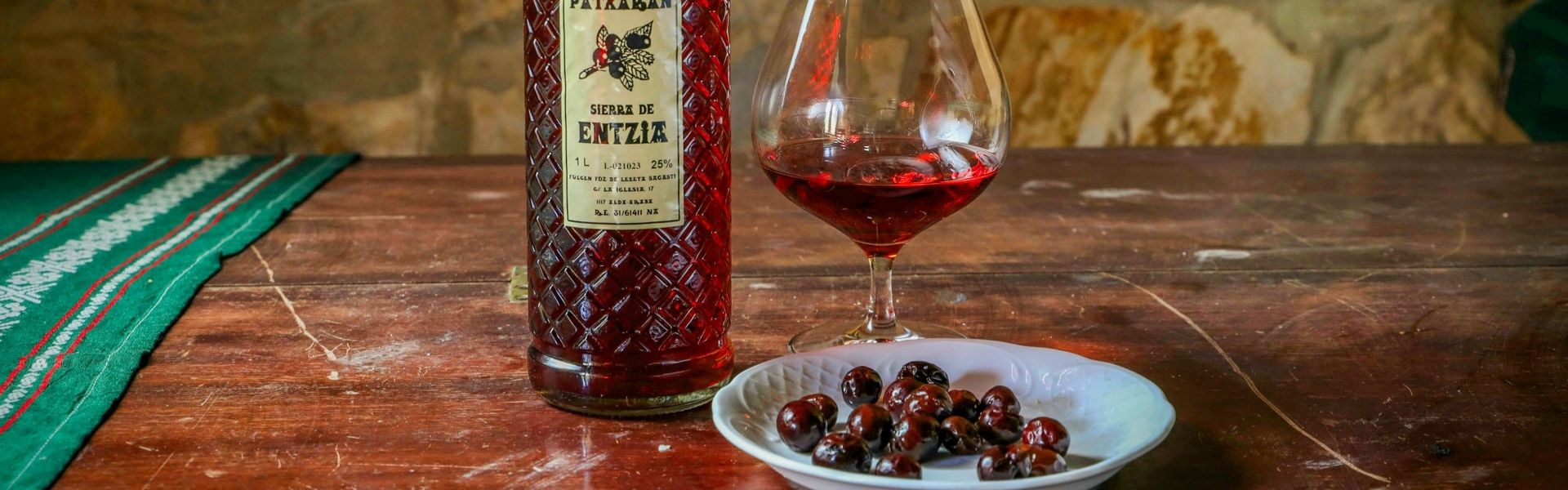
Ossau-Iraty is an AOC and AOP sheep’s milk cheese, made between the Basque Country and Béarn from the milk of local breeds: Manech Tete Noire, Manech Tete Rousse and Basco-Bearnaise. Traditionally, it’s enjoyed with Itxassou black cherry jam or, as in Spanish cider houses, with quince fruit paste. This sweet-and-savoury pairing is a true Basque Country institution. You’ll find Ossau-Iraty at every market and from producers in the hinterland.
Other specialities to discover
Basque gastronomy doesn’t stop there! Other gourmet treasures to sample during your stay include:
Veal axoa: thinly sliced veal with a touch of chilli, simmered with onions and peppers, traditionally served with rice or potatoes. Piperade: a mix of tomatoes, onions, peppers and chilli, served alongside meat and fish. Basque-style chicken: chicken simmered in a piperade-based sauce, a classic on family tables. Bayonne chocolate: introduced in the 17th century by Portuguese Jews fleeing the Inquisition, chocolate became a Bayonne speciality. The artisan chocolatiers in the city centre keep this ancestral know-how alive. Basque cider (sagardo or sagarno): lightly sparkling and tangy, enjoyed in cider houses according to a very specific ritual. Irouleguy wine: the only vineyard in the French Basque Country, producing red, white and rosé wines with bold, fruity flavours.
Whether you’re strolling through the markets of Saint-Jean-de-Luz, Bayonne or Espelette, or settling into a village inn, every meal is an invitation to discover the soul of the Basque Country through its flavours. Enjoy!